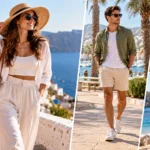

A fashion stylist career combines creativity, clothing knowledge, visual storytelling, and practical problem-solving. Fashion stylists help individuals, brands, photographers, and creative teams select outfits that communicate a particular style or message. Their work can involve magazine photoshoots, advertising campaigns, personal wardrobes, and special events. Understanding this career is the first step toward exploring opportunities in the fashion industry.
Becoming a fashion stylist does not always require a specific university degree, but it does involve developing valuable skills and industry knowledge. Successful stylists understand clothing coordination, fashion history, client communication, and professional presentation. They also learn to work within budgets, manage projects, and adapt to different creative requirements. This fashion stylist career guide explains the role, responsibilities, skills, training options, career opportunities, and practical steps for getting started.
What Is a Fashion Stylist?
A fashion stylist is a creative professional who selects and coordinates clothing, footwear, and accessories for individuals or visual projects. Their goal is to create outfits that meet specific aesthetic, practical, or communication needs. Stylists may work with private clients, fashion brands, photographers, or production teams. Their decisions influence how clothing appears in photographs, videos, events, and everyday settings.
Fashion styling involves more than choosing attractive outfits from a clothing collection. Stylists consider factors such as color combinations, garment proportions, fabric textures, comfort, and the requirements of each project. They may also research fashion trends and develop visual concepts. These responsibilities require both creative judgment and an understanding of practical clothing needs.
The role varies significantly depending on the type of styling work involved. Some professionals help clients organize wardrobes, while others prepare clothing for commercial advertising or editorial photography. Stylists may work independently or collaborate with larger creative teams. Understanding these different responsibilities helps beginners identify which areas of the industry interest them most.
What Does a Fashion Stylist Do?
A fashion stylist’s daily responsibilities depend on the clients, projects, and working environment. Common tasks include researching clothing options, assembling outfits, organizing accessories, and preparing garments for presentation. Stylists may also create visual references that explain the intended appearance of a project. Their work often involves balancing creativity with deadlines and practical requirements.
During a photoshoot, a stylist may coordinate clothing selections with photographers, models, and creative directors. They check garment fit, adjust accessories, and ensure outfits remain consistent with the project’s visual direction. Sometimes, they also manage clothing loans or returns from fashion brands. Attention to small details helps maintain a professional appearance throughout the production.
Personal styling involves a different set of responsibilities focused on individual preferences and everyday needs. A stylist may help someone choose outfits for work, travel, celebrations, or other activities. They consider lifestyle, comfort, existing clothing, and available budgets. The purpose is to develop practical outfit choices that reflect the client’s preferences rather than impose one specific appearance.
Different Types of Fashion Stylists
Personal stylists work directly with individuals who want guidance organizing wardrobes or selecting clothing. Their services may include wardrobe reviews, shopping assistance, outfit planning, and advice for special occasions. Some work through department stores, while others operate independent businesses. This career path emphasizes communication, practical problem-solving, and understanding individual preferences.
Editorial stylists create fashion looks for magazines, online publications, and creative photography projects. They often collaborate with photographers, makeup artists, hairstylists, and art directors. The clothing may communicate a particular story, mood, or seasonal concept. Editorial styling often provides opportunities for experimentation with fashion trends, textures, and visual presentation.
Commercial stylists work on advertising campaigns, product photography, television productions, and branded content. Their primary focus is helping clothing and accessories support a specific marketing message. Celebrity stylists and costume stylists represent additional specializations with different responsibilities. Exploring these categories helps aspiring professionals understand the variety of opportunities within fashion styling.
Skills Needed to Become a Fashion Stylist
Creative coordination is one of the most important skills for a fashion stylist. Professionals need to understand how colors, patterns, fabrics, and accessories interact within an outfit. They should also recognize how lighting and photography influence the appearance of clothing. Developing visual judgment takes observation, experimentation, and practical experience rather than relying only on current trends.
Communication skills are equally important because stylists frequently work with clients and creative teams. Listening carefully helps them understand preferences, project requirements, and practical limitations. They must explain their ideas clearly while remaining open to feedback. Good communication makes collaboration easier and helps prevent misunderstandings during shopping appointments or production schedules.
Organization and time management also contribute to a successful styling career. A stylist may need to track borrowed garments, coordinate appointments, prepare accessories, and manage multiple deadlines. Budget awareness is especially valuable when clients have specific spending limits. These practical abilities help transform creative ideas into reliable professional services.
Do You Need a Degree to Become a Fashion Stylist?
A university degree is not always required to become a fashion stylist. Many professionals enter the industry through personal projects, internships, retail experience, or assisting established stylists. Employers and clients may place significant value on a strong portfolio and demonstrated skills. However, formal education can provide useful foundations in fashion-related subjects.
Relevant courses may cover fashion design, visual merchandising, textiles, fashion history, marketing, and styling techniques. These subjects can help students understand how garments are constructed and presented. Some educational institutions also provide opportunities to collaborate on fashion shows or photography projects. Practical assignments can contribute to early portfolio development.
Short courses and online learning programs offer alternatives for beginners who cannot pursue full-time study. Workshops may focus on wardrobe styling, fashion photography, color coordination, or industry communication. Before enrolling, review the course content, instructor experience, and expected outcomes. Education is most useful when combined with regular practice and opportunities to apply what you learn.
How to Start a Fashion Styling Career
Starting a fashion styling career begins with learning the fundamentals of clothing coordination and visual presentation. Study different fashion eras, observe contemporary collections, and explore how outfits are created for various situations. Pay attention to fabrics, colors, layering, and garment construction. These observations help develop a stronger understanding of styling possibilities.
Practical experience is essential, even when professional opportunities are limited. Beginners can create outfits using clothing they already own or participate in collaborative creative projects. With permission, they may help friends organize wardrobes or plan outfits for suitable occasions. These activities provide opportunities to practice communication and build confidence.
Once you have completed several projects, organize your strongest work into a portfolio. Include images that demonstrate different styling approaches and explain the purpose of each project. A clear presentation helps potential clients understand your skills. As experience grows, seek opportunities that align with your preferred styling specialization and professional goals.
How to Build a Fashion Styling Portfolio
A fashion styling portfolio showcases your ability to coordinate clothing and communicate visual ideas. It may include photographs, mood boards, outfit collections, and brief descriptions of completed projects. Quality is more important than including every experiment. Choose examples that clearly demonstrate thoughtful styling decisions and a range of creative skills.
Beginners can develop portfolio material through personal projects and collaborations with photographers or other creatives. For example, a project might focus on casual streetwear, professional outfits, or seasonal layering. Each collection should have a clear concept and consistent presentation. Obtain permission before publishing photographs of other people or using work created through collaborations.
A digital portfolio can make it easier to present your work to potential clients and employers. Use a simple layout that allows visitors to understand each project without unnecessary distractions. Include relevant experience, contact information appropriate for professional use, and descriptions of your responsibilities. Update the portfolio as your skills and experience develop.
Understanding Fashion Trends and Personal Style
Fashion trends can provide useful inspiration, but professional stylists should understand how to adapt them to different needs. Trends may involve particular colors, silhouettes, fabrics, or styling combinations. Studying them helps professionals recognize changing preferences within the industry. However, not every trend suits every project or client’s personal taste.
Personal style involves clothing choices that reflect individual preferences, activities, and comfort. A stylist should help clients identify combinations they enjoy wearing rather than pressure them into adopting specific trends. Lifestyle, climate, budget, and practical clothing needs also influence suitable choices. Respecting these factors supports more useful and personalized styling recommendations.
Understanding timeless clothing principles can also improve styling decisions. Learning how to coordinate colors, balance visual details, and combine versatile garments provides a foundation for different creative approaches. These skills remain useful even as popular trends change. Strong stylists use trends thoughtfully while prioritizing the needs of the person or project.
Color Coordination and Outfit Planning for Stylists
Color coordination is an important part of creating outfits that communicate a particular mood or visual concept. Stylists often consider relationships between neutral shades, contrasting colors, and complementary combinations. Different palettes can create different effects in photography and everyday clothing. Understanding color relationships helps make styling choices more intentional and consistent.
Outfit planning also involves coordinating garment shapes, textures, and accessories. A stylist might combine structured clothing with softer fabrics to create visual contrast. Layering can add depth while serving practical needs in cooler weather. However, the best combinations depend on the intended setting and the wearer’s comfort rather than rigid appearance rules.
Mood boards can help organize these ideas before shopping or preparing clothing. They may include colors, fabrics, reference photographs, and examples of accessories. This visual planning process makes it easier to communicate expectations with clients and collaborators. It also helps identify whether selected pieces support the same creative direction.
Working With Clients as a Personal Fashion Stylist
Personal styling begins with understanding the client’s goals, preferences, and everyday routine. A stylist may ask about preferred clothing styles, regular activities, shopping habits, and practical challenges. These conversations help establish a realistic plan. Clients should feel comfortable expressing their opinions and maintaining control over their clothing choices.
Wardrobe assessments are another common part of personal styling services. The stylist reviews available garments and identifies useful combinations before recommending additional purchases. This approach can reduce unnecessary shopping and make better use of existing clothing. It also helps clients understand which items are most relevant to their daily activities.
Professional boundaries and clear communication are essential when working closely with individuals. Stylists should respect privacy, avoid unwanted comments about physical appearance, and explain service costs before beginning work. Recommendations should focus on comfort, preferences, and clothing functionality. A respectful approach encourages trust and creates a more positive client experience.
Fashion Stylist Jobs and Career Opportunities
Fashion stylists can work in several environments, including fashion studios, retail stores, advertising agencies, and media production companies. Some positions involve regular employment, while others are offered on a freelance or project basis. The responsibilities differ depending on the employer and type of work. Understanding these arrangements helps beginners explore realistic opportunities.
Retail styling positions may involve helping customers coordinate clothing and accessories in stores. Editorial and commercial roles often require collaboration with photographers, creative directors, and production teams. Wardrobe departments in television and film may offer related opportunities, although costume styling involves specialized skills. Each path provides different opportunities for professional growth.
Freelance stylists may work with private clients, independent brands, or creative businesses. Building a professional network and maintaining reliable communication can help support future opportunities. However, freelance work may involve irregular schedules and changing project demands. Developing organizational skills and realistic financial planning is important for managing this type of career.
How Much Do Fashion Stylists Earn?
Fashion stylist earnings vary widely depending on experience, location, specialization, and employment arrangements. A beginner working in retail may receive a regular hourly wage or salary. Established professionals working on commercial campaigns may charge project-based fees. Freelancers can experience significant income variation because work is not always consistent throughout the year.
Several factors influence professional pricing, including project complexity, preparation time, travel, and the number of outfits required. Some stylists provide hourly consultations, while others create packages for wardrobe planning or special events. Commercial projects may involve additional coordination responsibilities. Clear agreements help both parties understand what is included in the service.
Aspiring stylists should research typical compensation in their local market before accepting paid work. It is also important to consider transportation, equipment, preparation, and administrative expenses. Freelancers may need to manage taxes and other business responsibilities independently. Understanding these costs provides a more realistic picture of potential earnings.
How to Find Fashion Styling Clients
Finding styling clients often begins with presenting a clear portfolio and explaining the services you provide. Potential clients need to understand whether you offer wardrobe organization, event styling, shopping assistance, or commercial projects. A professional website or portfolio page can communicate this information. Consistent examples of your work help establish credibility.
Networking with photographers, clothing boutiques, makeup artists, and other creative professionals can also create opportunities. Collaborative projects allow beginners to gain experience while meeting people working in related fields. Local events and professional communities may provide useful connections. Building relationships through reliable work is generally more valuable than making unrealistic promises.
Client recommendations can become important as a stylist develops experience. Providing organized consultations, respecting budgets, and communicating clearly may encourage satisfied customers to recommend your services. Testimonials can also support professional credibility when clients give permission to share them. Sustainable growth depends on delivering useful results and maintaining respectful business relationships.
Common Mistakes New Fashion Stylists Should Avoid
One common mistake is focusing entirely on current fashion trends without considering the needs of the client or project. A visually interesting outfit may still be unsuitable for the intended occasion. Professional styling requires balancing creative ideas with practicality. Learning to listen carefully helps prevent recommendations that do not match the client’s preferences.
Another mistake involves poor organization during photoshoots or shopping assignments. Missing accessories, overlooked deadlines, and unclear communication can interrupt production schedules. Creating checklists and confirming project details beforehand can reduce these problems. Professional reliability is just as important as creative ability when developing a career.
Beginners sometimes also underestimate the importance of contracts, budgets, and clear service descriptions. Informal agreements can lead to confusion about payment, responsibilities, and deadlines. Written project details help establish professional expectations. Developing good business habits early supports a more organized and dependable styling career.
Best Practices for Building a Long-Term Styling Career
A long-term fashion styling career benefits from continuous learning and regular creative practice. Fashion changes over time, and professionals need to understand new materials, styling approaches, and industry developments. Studying historical fashion can also provide useful inspiration. Combining established knowledge with fresh ideas supports creative flexibility.
Professional relationships are another important part of career development. Stylists who communicate respectfully and deliver agreed work reliably may find more opportunities for collaboration. Maintaining an updated portfolio helps demonstrate progress and new areas of expertise. Feedback from trusted collaborators can also reveal useful ways to improve.
Career growth does not follow the same path for everyone. Some stylists specialize in personal wardrobes, while others build careers in editorial, commercial, or entertainment projects. Exploring different experiences can help clarify long-term interests. The strongest approach is to develop practical skills, maintain professional standards, and pursue opportunities that align with individual goals.
Conclusion
A fashion stylist career offers opportunities to combine creativity, clothing knowledge, and practical problem-solving. Stylists work across personal shopping, editorial photography, advertising, retail, and other creative environments. Their responsibilities include outfit planning, visual coordination, and collaboration with clients or production teams. Understanding these roles helps beginners explore suitable career directions.
Building a career in fashion styling involves developing technical knowledge, communication skills, and a professional portfolio. Formal education can be useful, but practical experience and consistent improvement are equally important. Working on small projects and learning from experienced professionals can provide valuable foundations. Strong organizational habits also help stylists manage responsibilities effectively.
Fashion styling is ultimately about helping clothing communicate a purpose while respecting individual preferences and practical needs. There is no single career path that guarantees success. Professionals develop their own approaches through learning, experimentation, collaboration, and reliable service. With patience and consistent skill development, aspiring stylists can explore rewarding opportunities within the fashion industry.
Frequently Asked Questions (FAQs)
What does a fashion stylist do?
A fashion stylist selects and coordinates clothing, footwear, and accessories for individuals, photoshoots, advertising campaigns, or events. Their work involves outfit planning, visual presentation, and collaboration with clients or creative teams.
Do you need a degree to become a fashion stylist?
A degree is not always required to become a fashion stylist. Relevant education can help, but a strong portfolio, practical experience, communication skills, and clothing knowledge are also valuable.
How can beginners start a fashion styling career?
Beginners can study clothing coordination, practice creating outfits, collaborate on creative projects, and build a portfolio. Retail experience, internships, and assisting established stylists can also provide useful industry exposure.
How much money can a fashion stylist make?
Fashion stylist earnings depend on location, experience, specialization, and employment arrangements. Some professionals receive regular wages, while freelance stylists charge hourly or project-based fees that vary with their assignments.
What skills are most important for fashion stylists?
Important skills include creativity, color coordination, communication, organization, fashion knowledge, and budget management. Successful stylists also understand client preferences and can adapt clothing selections to different projects and situations.