
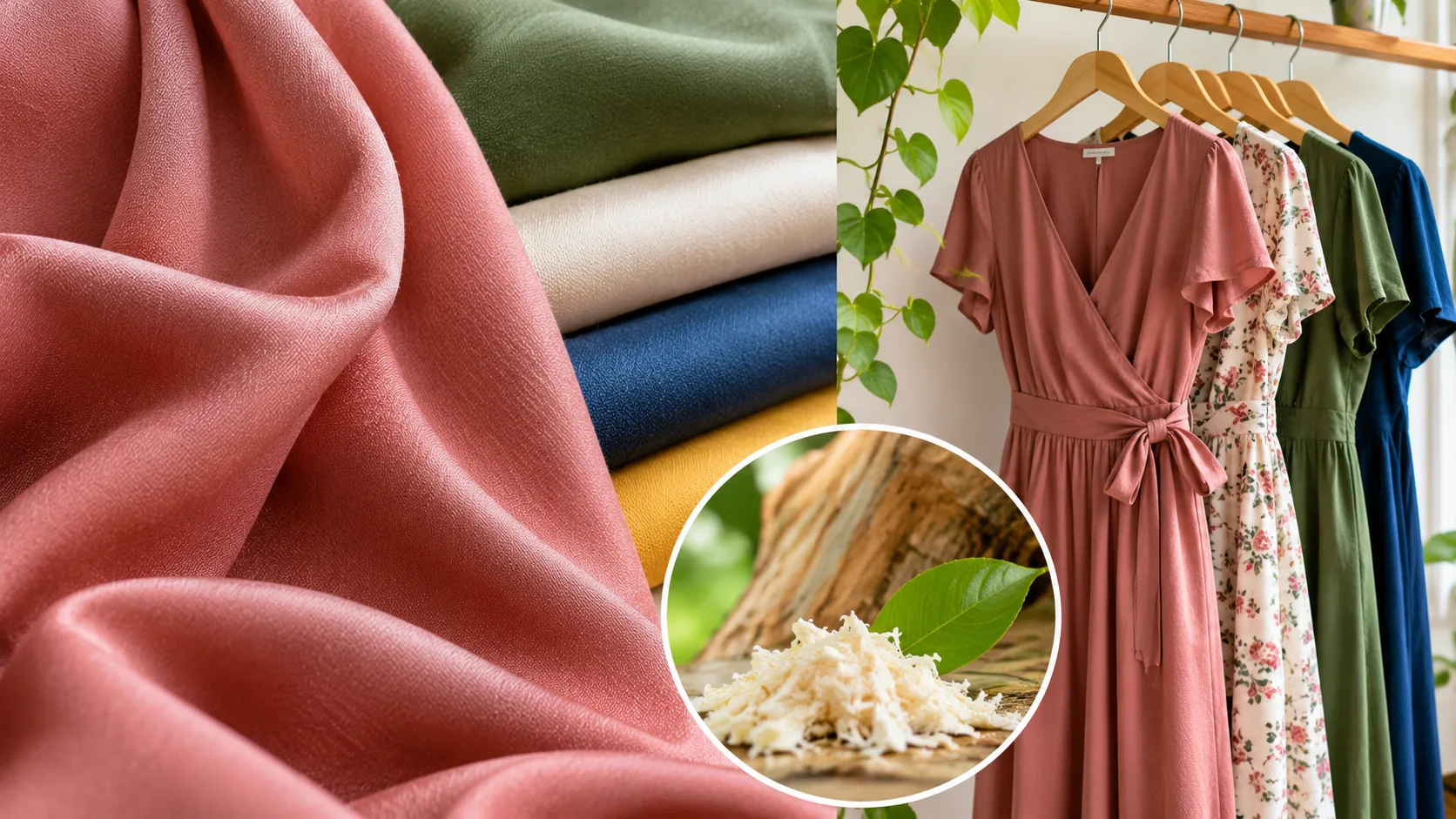
Viscose fabric is a popular textile known for its soft texture, lightweight feel, and elegant appearance. It is widely used in dresses, blouses, shirts, skirts, and comfortable everyday clothing because it drapes beautifully and feels pleasant against the skin. Understanding viscose fabric can help you choose suitable clothing, maintain garments correctly, and make more informed decisions when shopping for different materials.
Although viscose often looks and feels similar to silk, it is manufactured differently and has unique characteristics. Its comfort, breathability, affordability, and versatility make it attractive for many wardrobe essentials. However, proper washing, drying, and storage are important because some viscose fabrics can shrink, wrinkle, or lose their shape when handled incorrectly.
What Is Viscose Fabric?
Viscose fabric is a semi-synthetic textile made from regenerated cellulose, usually obtained from wood pulp. Although its raw material comes from natural plant sources, it undergoes chemical processing before becoming usable textile fibers. This combination of natural cellulose and industrial manufacturing gives viscose its distinctive characteristics, including softness, flexibility, and an attractive flowing appearance.
Viscose belongs to the rayon family of fibers and is sometimes called viscose rayon. It is commonly used as an alternative to certain natural fabrics because it can provide a smooth texture at a relatively accessible price. However, its performance depends on the manufacturing process, fabric construction, finishing treatments, and the quality of the finished material.
One of the main reasons people choose viscose is its versatility. Manufacturers can produce lightweight, breathable fabrics for summer clothing or use viscose in blends designed for different seasons. Understanding its basic properties helps shoppers recognize where viscose performs well and where another textile may offer better durability or easier maintenance.
How Is Viscose Fabric Made?
Viscose production begins with cellulose, which is commonly extracted from wood pulp obtained from trees such as beech, eucalyptus, or other suitable sources. The cellulose is processed and prepared for conversion into textile fibers. Although the raw material is plant-based, several industrial steps are required before it becomes the smooth fabric found in clothing stores.
During traditional viscose manufacturing, cellulose is chemically treated and transformed into a solution that can be formed into fibers. This solution passes through specialized equipment, where regenerated cellulose filaments are produced. The fibers are subsequently washed, processed, and prepared for spinning into yarns that can be woven or knitted into fabric.
The finished textile may undergo additional treatments to achieve specific textures, colors, or performance characteristics. Some viscose fabrics are designed to resemble silk, while others have a more casual appearance. Manufacturing quality influences softness, strength, shrinkage, and overall durability, making it important to evaluate individual products rather than assuming all viscose garments behave identically.
What Does Viscose Fabric Feel Like?
Viscose is widely appreciated for its smooth, soft texture and comfortable feel against the skin. Many lightweight viscose fabrics have a flowing quality that allows garments to move naturally with the body. This makes the material particularly attractive for dresses, skirts, loose-fitting shirts, and other clothing designed for comfortable everyday movement.
The texture can vary depending on how the fibers are woven or knitted. Some viscose fabrics feel silky and cool, while others have a slightly textured or matte surface. Blended materials may also feel different because additional fibers influence thickness, elasticity, softness, and how the garment behaves during regular wear.
Another appealing characteristic is the way viscose drapes around the body. Rather than maintaining a stiff shape, many viscose fabrics create soft folds and relaxed silhouettes. However, not every viscose garment feels identical, so checking fabric weight, construction, and finishing details can help you understand what to expect before purchasing.
Is Viscose a Natural or Synthetic Fabric?
Viscose is generally classified as a regenerated cellulose fiber rather than a completely natural or fully synthetic material. Its starting ingredient comes from plants, but the cellulose must undergo chemical processing to become textile fibers. This distinguishes viscose from cotton, which is harvested as a natural fiber, and polyester, which is typically manufactured from synthetic polymers.
The term semi-synthetic is often used to explain this combination of natural raw materials and industrial processing. However, regenerated cellulose is the more technically specific description. Understanding this distinction helps prevent confusion when brands describe viscose clothing as natural, plant-based, or environmentally friendly without providing further details.
The origin of the cellulose does not automatically determine how sustainable or comfortable the finished fabric will be. Manufacturing methods, chemical management, water use, and sourcing practices all influence its environmental impact. Buyers should therefore consider transparent production information instead of assuming that plant-derived materials always have fewer environmental consequences.
Key Benefits of Wearing Viscose Fabric
One of the biggest advantages of viscose fabric is its soft, lightweight feel. Many garments made from viscose are comfortable during everyday activities because the material moves easily and does not feel excessively rigid. Its smooth texture also makes it appealing for clothing that sits close to the skin or features flowing designs.
Viscose is also valued for its ability to absorb moisture. This characteristic can contribute to a comfortable wearing experience, particularly in warm conditions when appropriate fabric weight and garment design are used. However, moisture absorption does not necessarily mean the fabric dries quickly, and some viscose clothing may remain damp longer than certain synthetic alternatives.
Another benefit is its ability to accept dyes and display attractive colors. Viscose fabrics can be manufactured in a wide range of prints, patterns, and finishes, providing considerable styling flexibility. Combined with its graceful drape and generally accessible price, these qualities make viscose popular for both casual clothing and more elegant wardrobe pieces.
Disadvantages of Viscose Fabric to Consider
Despite its advantages, viscose has certain limitations that buyers should understand before purchasing. Traditional viscose fibers often lose a substantial amount of strength when wet, making some garments vulnerable to stretching or damage during washing. Rough handling, excessive agitation, and unsuitable cleaning methods can therefore affect the fabric’s appearance and lifespan.
Shrinkage is another common concern, especially when viscose garments are exposed to hot water or high drying temperatures. Some products receive treatments that improve dimensional stability, but others require particularly careful maintenance. Reading the care label before washing is essential because different viscose fabrics may respond differently to moisture and heat.
Viscose can also wrinkle relatively easily, particularly in lightweight woven constructions. Sitting, folding, and regular movement may create creases that require gentle steaming or ironing. Although these characteristics do not make viscose unsuitable for everyday clothing, they mean the material may require more attention than some easy-care synthetic fabrics.
Is Viscose Fabric Good for Summer?
Viscose can be an excellent choice for summer clothing because many lightweight constructions feel soft, breathable, and comfortable in warm weather. The fabric’s ability to absorb moisture can help manage perspiration under certain conditions. Loose-fitting viscose garments also allow air to circulate around the body, improving comfort during everyday activities.
Summer dresses, relaxed trousers, and flowing blouses often feature viscose because it creates attractive silhouettes without excessive stiffness. Lightweight woven designs may feel cooler than thick, tightly constructed garments. However, comfort depends on fabric weight, layering, fit, and humidity, so not every viscose product performs equally well in hot conditions.
One limitation is that viscose may take time to dry after becoming wet. In very humid weather, damp clothing may feel uncomfortable if evaporation is limited. Choosing breathable designs, avoiding unnecessary layers, and following suitable garment care practices can help you enjoy the material’s benefits throughout warmer seasons.
Viscose vs Cotton: Which Fabric Is Better?
Cotton and viscose both originate from plant-based cellulose, but their manufacturing processes and textile characteristics differ. Cotton is a natural fiber, while viscose is regenerated from chemically processed cellulose. Both materials can feel comfortable, absorb moisture, and work well in everyday clothing, although their performance varies according to construction and finishing.
Cotton fabrics often provide good durability and can be easier to maintain, particularly in sturdy woven or knitted garments. Viscose is frequently chosen for its smoother drape and softer flowing appearance. However, delicate cotton fabrics also require care, while specially manufactured viscose products may offer improved strength and dimensional stability.
The better choice depends on your priorities and the intended use of the garment. Cotton may be convenient for clothing that requires frequent washing, while viscose can be attractive for flowing dresses and lightweight blouses. Comparing the actual fabric rather than relying solely on fiber names helps you make a more practical decision.
Viscose vs Polyester: Understanding the Differences
Viscose and polyester are commonly used in clothing, but they have different fiber structures and performance characteristics. Viscose is made from regenerated cellulose, while conventional polyester is a synthetic material. These differences influence moisture absorption, fabric strength, drying behavior, and how garments feel under different temperature conditions.
Polyester generally maintains good strength when wet and often resists wrinkling more effectively than traditional viscose. Many polyester garments also dry relatively quickly, making them useful for travel and certain activewear applications. However, some polyester fabrics may feel less comfortable in hot conditions, depending on their construction and moisture-management properties.
Viscose is often preferred when a soft, flowing texture is a major priority. Polyester may be more practical for garments requiring frequent washing or greater resistance to wrinkles. Blended fabrics combine these fibers to balance comfort, durability, and maintenance, although the actual results depend on the proportions and manufacturing quality.
Viscose vs Silk: Appearance and Comfort
Viscose is sometimes compared with silk because both can produce soft, elegant fabrics with beautiful draping characteristics. Silk is a natural protein fiber produced from silkworm cocoons, while viscose is regenerated cellulose. Although some viscose materials resemble silk visually, their fiber structures and care requirements are different.
Silk fabrics are often valued for their natural luster, smooth texture, and lightweight construction. Viscose can offer a similarly flowing appearance at a more accessible price, depending on product quality. However, silk and viscose both come in multiple fabric structures, so the exact texture and performance cannot be determined from fiber content alone.
For shoppers who appreciate silk-inspired clothing without paying premium prices, viscose may provide a practical alternative. Nevertheless, both materials can require careful handling, particularly when delicate finishes or lightweight constructions are involved. Comparing softness, breathability, durability, and care instructions helps identify which fabric better matches your wardrobe preferences.
Popular Types of Viscose Fabrics
Viscose is available in several fabric constructions, making it suitable for different clothing styles and practical applications. Woven viscose fabrics can create lightweight dresses, blouses, and scarves with attractive draping. Knitted viscose materials may offer additional flexibility and softness, making them popular for T-shirts, comfortable tops, and relaxed everyday garments.
Viscose crepe is recognized for its slightly textured surface and flowing appearance. Viscose challis is another popular option, especially for lightweight dresses and printed garments. These textiles may share the same primary fiber but feel different because their yarns, weaving techniques, and finishing processes influence the final material.
Viscose blends also appear frequently in modern clothing collections. Manufacturers combine viscose with cotton, polyester, elastane, or other fibers to achieve specific characteristics. For example, a small amount of elastane may add stretch, while other blended fibers can influence wrinkle resistance, durability, or overall fabric structure.
How to Style Viscose Clothing for Everyday Wear
Viscose clothing works well in casual outfits because its soft drape creates a relaxed and comfortable appearance. A lightweight viscose blouse can be paired with jeans, tailored trousers, or a simple skirt for everyday activities. Neutral colors provide flexibility, while printed designs can introduce visual interest without requiring complicated styling.
For warmer weather, viscose dresses offer an easy way to create comfortable outfits with minimal effort. Pair a flowing dress with simple sandals, a lightweight bag, and understated accessories. When temperatures become cooler, adding a cardigan or structured jacket can create additional layers while maintaining the garment’s relaxed silhouette.
Viscose can also work well in professional and semi-formal settings. A tailored viscose-blend shirt or flowing midi skirt can complement polished shoes and classic accessories. Choosing garments with suitable lining, appropriate opacity, and comfortable construction helps create balanced outfits that remain practical throughout the day.
How to Wash Viscose Fabric Without Damage
Proper washing is essential for maintaining the shape and appearance of viscose garments. Always check the care label because some items are suitable for gentle machine washing, while others require handwashing or professional cleaning. Fabric blends, dyes, and decorative finishes can influence the recommended cleaning method.
When handwashing is permitted, use cool water and a mild detergent suitable for delicate textiles. Avoid aggressive rubbing, twisting, or wringing because wet viscose may be more vulnerable to distortion. Gently support the garment while handling it and follow the manufacturer’s recommendations for removing excess moisture before drying.
For machine-washable viscose, a gentle cycle and appropriate laundry bag may help reduce unnecessary friction. Avoid overloading the washing machine or combining delicate clothing with rough items. Using the correct temperature and washing method helps preserve the fabric’s texture while reducing the risk of shrinkage or damage.
How to Dry and Iron Viscose Clothing
Drying viscose correctly is particularly important because excessive heat can cause shrinkage or affect fabric structure. Many viscose garments should be air-dried according to their care instructions rather than placed in a hot tumble dryer. Supporting the garment appropriately during drying can also help prevent stretching caused by the weight of retained moisture.
Some garments benefit from being laid flat on a clean towel or drying surface. Others may be suitable for hanging once excess moisture has been removed, depending on the material and construction. Avoid strong direct sunlight when the care instructions discourage it, especially for dyed fabrics that may become faded over time.
Viscose clothing can develop wrinkles after washing or storage, making gentle ironing or steaming useful. Use the temperature recommended on the care label and consider ironing from the reverse side when appropriate. Excessive heat or pressure may damage delicate finishes, so test carefully and avoid treating all viscose garments as though they have identical requirements.
Does Viscose Fabric Shrink?
Viscose fabric can shrink when exposed to unsuitable washing temperatures, excessive agitation, or high drying heat. The amount of shrinkage varies depending on fabric construction, processing, and whether the material has received stabilizing treatments. Some garments are manufactured to resist dimensional changes, while others require more careful handling.
Shrinkage may occur because moisture and mechanical movement affect the arrangement of fibers and yarns within the fabric. As the material dries, these structural changes can alter garment dimensions. This is why following washing instructions is important, particularly for tailored clothing where even small size changes may affect the fit.
Preventing shrinkage is generally easier than trying to restore a garment afterward. Use recommended water temperatures, avoid unnecessary heat, and dry clothing according to the care label. Although gentle reshaping may help some damp garments, severely shrunken viscose cannot always be restored to its original measurements.
Is Viscose Fabric Environmentally Friendly?
Viscose is made from renewable plant-derived cellulose, but its environmental impact depends heavily on sourcing and manufacturing practices. Wood pulp production can affect forests and surrounding ecosystems when raw materials are obtained irresponsibly. Responsible sourcing practices help reduce these concerns, although they do not eliminate the environmental impacts associated with textile production.
Traditional viscose manufacturing uses chemicals that require careful handling and appropriate waste management. Poorly controlled processes can create pollution and occupational health concerns. Manufacturers that improve chemical recovery, emissions controls, and wastewater treatment may reduce certain impacts, making production transparency important when evaluating environmental claims.
Buyers interested in more responsible fashion choices can look for detailed sourcing information and credible manufacturing standards. Some regenerated cellulose fibers are produced through alternative processes with different environmental characteristics. However, no fiber is automatically sustainable, so garment durability, manufacturing practices, and the frequency of replacement should also influence purchasing decisions.
How to Choose Quality Viscose Fabric
Choosing quality viscose begins with examining the material’s texture, construction, and overall appearance. A well-made fabric should feel appropriate for its intended purpose without obvious manufacturing defects. Look for consistent stitching, suitable fabric weight, and a finish that complements the garment’s design rather than relying entirely on attractive product photographs.
Fabric transparency and thickness are also important considerations. Lightweight viscose can be slightly sheer, especially in pale colors or certain loosely woven constructions. Checking whether a garment includes lining or requires additional layers can help avoid unexpected styling difficulties after purchasing.
Review the fiber composition, washing instructions, and available product information before making a final decision. Viscose blends may offer practical advantages, but the exact fiber percentages influence comfort and maintenance. Comparing several garments and considering how frequently you expect to wear them helps identify better long-term value.
Common Mistakes to Avoid With Viscose Fabric
One common mistake is assuming that viscose behaves exactly like cotton because both materials originate from cellulose. Traditional viscose can be more vulnerable to damage when wet and may require gentler washing methods. Ignoring these differences can lead to unwanted shrinkage, stretching, or changes in fabric appearance.
Another mistake is purchasing viscose clothing without checking the garment’s opacity and construction. Some lightweight materials are more transparent than expected, particularly under strong lighting. Evaluating fabric thickness, lining, and garment design helps ensure that clothing matches your comfort preferences and intended use.
Finally, avoid assuming that all viscose garments offer the same quality or environmental performance. Production methods, fabric construction, and finishing treatments vary considerably between manufacturers. Reading care labels, comparing product specifications, and choosing clothing that suits your lifestyle can help prevent disappointing purchases.
Conclusion
Viscose fabric is a versatile regenerated cellulose textile valued for its softness, elegant drape, and comfortable lightweight feel. It is commonly used in dresses, shirts, blouses, skirts, and other everyday wardrobe essentials. Understanding its properties helps you appreciate why the material is popular while recognizing its maintenance requirements and practical limitations.
When choosing viscose clothing, consider fabric weight, construction, breathability, and washing instructions. Proper cleaning and drying can help preserve the material’s appearance and reduce unwanted shrinkage. Comparing viscose with cotton, polyester, and silk also makes it easier to identify which textile best matches your individual preferences.
Ultimately, viscose can be an excellent addition to a wardrobe when selected and maintained thoughtfully. Focus on quality construction, appropriate garment design, and realistic care expectations rather than appearance alone. With the right choices, viscose clothing can provide comfort, versatility, and attractive styling for many different occasions.
Frequently Asked Questions
What is viscose fabric made from?
Viscose is made from regenerated cellulose, usually obtained from wood pulp. The cellulose undergoes chemical processing to create textile fibers that can be woven or knitted into soft, versatile fabrics.
Is viscose fabric good for summer?
Yes, lightweight viscose can be comfortable during summer because it absorbs moisture and often provides a breathable, flowing feel. However, fabric thickness, humidity, and garment construction influence overall comfort.
Does viscose shrink when washed?
Viscose can shrink when exposed to unsuitable washing methods, hot water, or excessive drying heat. Following the manufacturer’s care instructions and using gentle cleaning techniques helps reduce the risk.
Is viscose better than cotton?
Neither fabric is universally better. Viscose is often preferred for its smooth drape and soft appearance, while cotton may provide easier maintenance and durability depending on the fabric construction.
Is viscose a cheap fabric?
Viscose is often more affordable than genuine silk, but prices vary according to manufacturing quality, fabric construction, and garment design. Premium viscose products can cost considerably more than basic alternatives.