
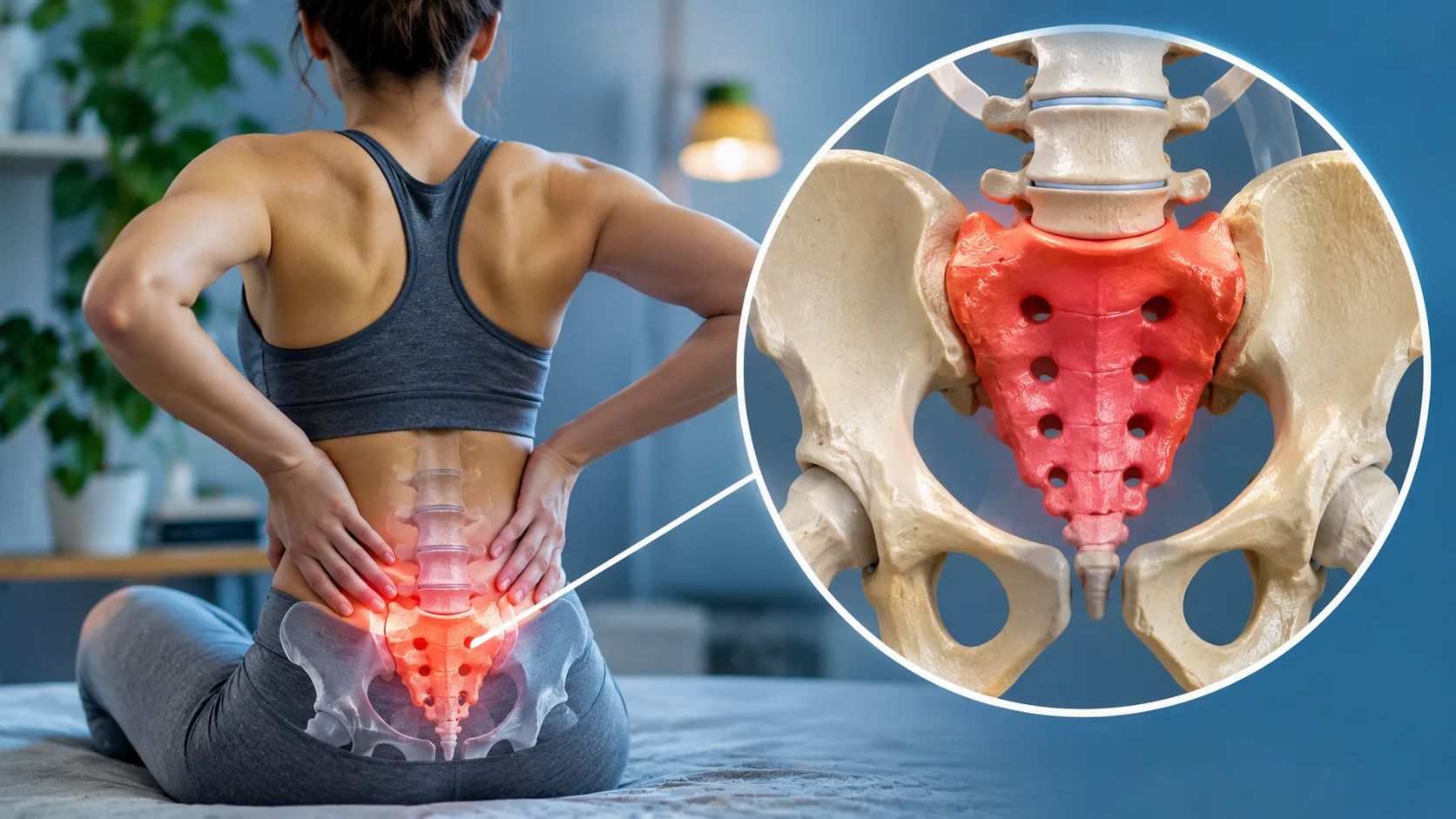
Imagine sitting at your desk for several hours and noticing a dull ache near the bottom of your spine. You assume it is ordinary lower back pain, but the discomfort seems closer to your pelvis. After searching online, you come across an unfamiliar term: the sacrum.
So, what is the sacrum, and why is it important? This triangular bone connects your spine to your pelvis and plays an essential role in supporting your body, maintaining stability, and transferring weight during movement.
Understanding sacrum anatomy can help you recognize how different parts of your lower back work together. This guide explains its location, structure, functions, common health conditions, and practical ways to support spinal and pelvic health.
What Is the Sacrum?
Many people are familiar with the spine but know surprisingly little about the sacrum. Although it receives less attention than other spinal structures, it performs several important functions throughout everyday life.
The sacrum is a large, triangular bone formed by five sacral vertebrae that typically fuse together as a person matures. These vertebrae are identified as S1, S2, S3, S4, and S5.
The sacrum forms the back portion of the bony pelvis and connects the upper body with the pelvic bones. Its strong structure helps distribute body weight and provides a stable foundation for the spine.
Think of the sacrum as a connecting bridge between your upper and lower body. Without this important connection, the mechanics of standing, walking, and maintaining balance would be very different.
Where Is the Sacrum Located?
Identifying the exact location of the sacrum can be confusing because several bones occupy the lower back and pelvic region. People frequently mistake the sacrum for the tailbone or lower lumbar spine.
The sacrum location is at the base of the spine, between the two hip bones. It sits directly below the fifth lumbar vertebra and immediately above the coccyx, commonly called the tailbone.
The sacrum connects with the ilium on both sides through the sacroiliac joints. These connections help form a strong pelvic ring that supports the upper body and transfers forces toward the legs.
If you are experiencing discomfort in this region, remember that nearby muscles, joints, nerves, and bones can produce similar symptoms. Pain location alone cannot confirm that the sacrum is responsible.
Understanding Sacrum Anatomy
Learning about human anatomy can feel overwhelming when unfamiliar medical terms appear everywhere. Breaking the sacrum into its individual anatomical features makes its structure much easier to understand.
The sacrum has a broad upper section, a narrow lower section, curved surfaces, and several openings through which nerves travel. Each feature contributes to its structural or protective functions.
The following anatomical structures are particularly important for understanding how the sacrum works.
Sacral Base
The sacral base is the broad upper portion of the bone. It connects with the fifth lumbar vertebra, creating the transition between the lumbar and sacral regions of the spine.
This area receives substantial forces from the upper body. Its structure helps distribute these forces into the pelvis during standing and movement.
Sacral Apex
The sacral apex is the narrow lower end of the sacrum. It connects with the coccyx through the sacrococcygeal joint.
Although this region is smaller than the sacral base, it contributes to the connection between the lower spinal structures. Nearby ligaments also help maintain stability.
Sacral Foramina
Sacral foramina are openings located on the front and back surfaces of the sacrum. There are typically four pairs on each surface.
These openings provide pathways for branches of spinal nerves and associated blood vessels. They allow important connections between the nervous system and surrounding areas of the body.
Sacral Canal
The sacral canal continues downward from the vertebral canal of the lumbar spine. It provides a protected passage for nerve roots and surrounding tissues.
The spinal cord itself normally ends higher in the lumbar region in adults. However, lower spinal nerve roots continue downward through the vertebral canal.
Median Sacral Crest
The median sacral crest is a raised ridge along the back surface of the sacrum. It develops through the fusion of several sacral spinous processes.
This anatomical feature provides attachment for supporting connective tissues. It also serves as an important landmark when studying the posterior surface of the sacrum.
How Many Vertebrae Are in the Sacrum?
Understanding spinal anatomy becomes easier when you recognize how different vertebral regions develop. Unlike most lumbar vertebrae, sacral vertebrae eventually join together to form a single bone.
The sacrum typically consists of five vertebral segments, numbered S1 through S5. Their gradual fusion creates a strong structure capable of supporting substantial mechanical forces.
| Sacral Vertebra | Anatomical Position |
|---|---|
| S1 | Uppermost sacral segment |
| S2 | Second sacral segment |
| S3 | Central sacral segment |
| S4 | Lower sacral segment |
| S5 | Lowest sacral segment |
Although five fused segments represent the usual anatomical arrangement, natural variations can occur. Healthcare professionals may identify these differences during spinal imaging or anatomical examinations.
What Are the Main Functions of the Sacrum?
People often think of bones as rigid structures that simply hold the body together. However, the sacrum performs several functions involving support, movement, protection, and stability.
Its distinctive shape and position allow it to interact with neighboring bones, ligaments, muscles, and nerves. These structures work together during ordinary activities that you may rarely think about.
Here are five important functions of the sacrum.
1. Supports Upper Body Weight
The sacrum receives forces transmitted downward through the lumbar spine. Its broad upper structure helps distribute these forces toward the pelvic bones.
This weight-bearing function becomes particularly important when standing, walking, or carrying everyday belongings. The sacrum contributes to the body’s ability to manage these physical demands.
2. Connects the Spine and Pelvis
The upper spine and pelvis need a stable connection to coordinate everyday movement. The sacrum provides this connection through its joints and surrounding supporting tissues.
This anatomical arrangement allows forces to travel between the upper body and lower limbs. It contributes to efficient movement throughout daily activities.
3. Maintains Pelvic Stability
Pelvic stability depends on cooperation between bones, joints, ligaments, and muscles. The sacrum forms an important part of this interconnected structure.
Strong ligaments surrounding the sacroiliac joints help restrict excessive movement. This allows the pelvis to remain stable while accommodating small movements.
4. Protects Important Nerve Structures
Several important nerve pathways pass through or emerge from the sacrum. Its bony structure helps protect these neural tissues as they travel toward different parts of the body.
These nerves contribute to sensation, muscle activity, and certain pelvic organ functions. Injuries affecting nearby nerve structures can therefore cause symptoms beyond localized back pain.
5. Provides Attachment for Muscles and Ligaments
The sacrum provides attachment points for several muscles and strong connective tissues. These structures help coordinate movement and maintain stability around the pelvis.
Muscles do not work independently of bones and joints. Their combined activity supports ordinary movements such as changing positions, standing up, and walking.
What Is the Sacroiliac Joint?
Lower back discomfort can become particularly confusing when the pain appears near one side of the pelvis. One possible source is the sacroiliac joint, commonly abbreviated as the SI joint.
The sacroiliac joints connect the sacrum to the left and right iliac bones. Unlike highly mobile joints such as the shoulder, these joints normally allow only limited movement.
Their primary role involves transferring mechanical forces between the spine and pelvis. Strong surrounding ligaments help provide the stability needed for this function.
When an SI joint becomes irritated or inflamed, discomfort may develop around the lower back, buttocks, or hips. However, similar symptoms can arise from other conditions, making professional assessment important.
Sacrum vs. Coccyx: What Is the Difference?
Many people use the terms sacrum and tailbone interchangeably. Although these structures are located close together, they have different anatomical characteristics and functions.
The sacrum is a relatively large triangular bone that forms part of the pelvic structure. The coccyx is a smaller bone located immediately below it.
| Feature | Sacrum | Coccyx |
|---|---|---|
| Location | Between the hip bones | Below the sacrum |
| Number of segments | Usually five | Usually four, with natural variation |
| Shape | Broad and triangular | Small and tapered |
| Main function | Weight transfer and pelvic stability | Attachment and seated support |
| Common pain location | Lower back and pelvic region | Directly around the tailbone |
Understanding these differences can help you describe discomfort more accurately during a medical appointment. It also prevents confusion when reading information about spinal and pelvic conditions.
How Does the Sacrum Affect Posture and Movement?
Have you ever wondered how your body maintains stability while walking or changing positions? The interaction between the spine, pelvis, and lower limbs makes these movements possible.
The sacrum helps establish a structural connection through which forces travel during movement. Its orientation also contributes to the overall alignment of the spine and pelvis.
However, there is no single perfect posture that everyone must maintain throughout the day. Individual anatomy, comfortable movement, and changing positions all influence how the body manages physical demands.
If certain positions consistently cause discomfort, a physiotherapist can assess your movement patterns. Avoid assuming that every episode of lower back pain results from poor posture.
Understanding the Sacrum and Pelvic Floor Connection
Pelvic health can be difficult to understand because several muscles, bones, and nerves occupy a relatively small region. Problems involving one structure may sometimes contribute to symptoms elsewhere.
The pelvic floor consists of muscles and connective tissues that help support pelvic organs. These tissues work alongside surrounding pelvic bones and other supporting structures, including the lower spine.
The sacrum also provides pathways for nerves that contribute to bladder, bowel, and pelvic muscle function. This makes its anatomical relationship with the pelvic region particularly important.
Persistent pelvic discomfort or difficulty controlling pelvic muscles deserves professional assessment. Pelvic health physiotherapists can help determine whether muscular, neurological, or other factors are involved.
What Causes Pain in the Sacrum?
Experiencing pain near the bottom of your spine can be frustrating when you do not understand its source. Sacral discomfort may develop for several reasons, ranging from muscular irritation to specific medical conditions.
Identifying the underlying cause is important because different conditions require different treatment approaches. Here are some possible explanations for pain around the sacrum.
Sacroiliac Joint Dysfunction
Sacroiliac joint dysfunction describes symptoms associated with problems affecting one or both SI joints. It may contribute to discomfort in the lower back, buttocks, or surrounding pelvic region.
Certain movements or prolonged positions may make symptoms more noticeable. However, a healthcare professional must distinguish SI joint problems from other causes of pain.
Sacroiliitis
Sacroiliitis refers specifically to inflammation affecting one or both sacroiliac joints. It can occur in association with inflammatory conditions, infections, or other underlying problems.
Symptoms may include lower back discomfort, buttock pain, and stiffness. Treatment depends on identifying the cause of inflammation rather than simply managing the pain.
Sacral Fractures
Sacral fractures involve damage to the bone itself. They may occur following significant injuries, repetitive physical stress, or reduced bone strength.
Symptoms can include localized pain and difficulty standing or walking. Suspected fractures require medical evaluation rather than stretching, massage, or attempting to exercise through discomfort.
Muscle and Ligament Irritation
Muscles and ligaments surrounding the sacrum contribute to pelvic stability. Physical strain or repetitive movements can sometimes irritate these supporting tissues.
Discomfort may become noticeable after unfamiliar activities or prolonged positions. Persistent symptoms should be assessed to determine whether surrounding soft tissues are responsible.
Nerve Irritation
Some lower spinal conditions can irritate nerves that travel toward the pelvis and legs. These problems may produce burning discomfort, tingling, numbness, or weakness.
The presence of nerve-related symptoms does not automatically indicate damage to the sacrum itself. A healthcare professional can investigate the location and cause of nerve irritation.
Common Symptoms of Sacral and Pelvic Problems
Recognizing changes in your body can help you communicate more effectively with a healthcare professional. However, many symptoms associated with the sacral region overlap with other lower back conditions.
Possible symptoms include:
- Persistent discomfort near the base of the spine.
- Pain around one or both buttocks.
- Stiffness in the lower back or pelvis.
- Discomfort when changing positions.
- Pain during walking or prolonged standing.
- Tenderness following an injury.
- Tingling or altered sensation in the legs.
These symptoms do not establish a diagnosis. Their severity, duration, and relationship with everyday activities can provide useful information during a medical assessment.
When Should You See a Doctor for Sacrum Pain?
Mild lower back discomfort does not always indicate a serious condition. However, ignoring persistent or worsening symptoms can delay appropriate treatment.
Arrange a medical appointment if pain repeatedly returns, interferes with everyday activities, or does not improve. Fever, unexplained weight loss, or persistent pain at night also warrant prompt medical attention.
Seek emergency medical care if back or sacral pain occurs alongside:
- New loss of bladder or bowel control.
- New difficulty passing urine.
- Numbness around the genitals, buttocks, or inner thighs.
- New or rapidly worsening leg weakness.
- Severe pain following a significant accident or fall.
These symptoms may indicate a serious injury or neurological condition requiring immediate assessment. Do not wait for additional symptoms to appear before seeking emergency assistance.
How Do Doctors Examine the Sacrum?
Diagnosing sacral pain can be challenging because neighboring bones, muscles, and nerves may produce similar symptoms. A professional assessment helps identify which structures require further investigation.
Healthcare professionals typically begin by reviewing symptoms, medical history, recent injuries, and activity patterns. A physical examination may assess movement, tenderness, strength, and neurological function.
Depending on the findings, additional examinations may include X-rays, MRI scans, or CT scans. Not everyone experiencing lower back discomfort requires medical imaging.
The appropriate diagnostic approach depends on the suspected condition. Identifying the actual source of symptoms helps healthcare professionals recommend suitable treatment.
How to Maintain a Healthy Sacrum and Lower Back
Many people only pay attention to spinal health after discomfort begins. However, everyday habits can help support comfortable movement and general musculoskeletal health.
Regular, enjoyable physical activity, adequate recovery, and balanced nutrition support bone and muscle health. Changing positions during long periods of sitting can also help reduce stiffness.
Consider these practical habits:
- Take comfortable movement breaks during prolonged sitting.
- Use seating that provides suitable support.
- Avoid forcing movements that cause pain.
- Allow adequate recovery after physically demanding activities.
- Follow professionally recommended rehabilitation when necessary.
- Seek medical advice for persistent or unexplained discomfort.
There is no single exercise or sitting position that guarantees protection against sacral problems. Focus on comfortable movement and seek individualized guidance when symptoms develop.
7 Interesting Facts About the Sacrum
The sacrum may appear to be a simple triangular bone, but its development and anatomical connections make it particularly interesting.
Here are seven important facts worth remembering:
- The sacrum typically develops from five separate vertebral segments.
- Sacral fusion continues as the skeleton matures.
- Its triangular shape contributes to pelvic stability.
- It connects with both hip bones through the SI joints.
- Its openings provide pathways for important nerve branches.
- It forms part of both the vertebral column and bony pelvis.
- It transfers mechanical forces between the upper body and lower limbs.
These facts demonstrate that the sacrum performs several functions simultaneously. Its structure makes it an essential component of the body’s interconnected support and movement systems.
Conclusion
Understanding what the sacrum is provides valuable insight into how the spine, pelvis, muscles, and nervous system work together. This triangular bone supports weight transfer, maintains pelvic stability, and protects important nerve structures.
Although discomfort around the sacrum can develop for various reasons, symptoms alone cannot identify the underlying condition. Supporting general spinal health and seeking appropriate medical care can help address problems more effectively.
Start by paying attention to your everyday movement, comfort, and any persistent changes in your lower back. If discomfort continues or interferes with normal activities, consult a qualified healthcare professional. Understanding your anatomy is a useful first step toward making informed health decisions.
Frequently Asked Questions
What is the sacrum, and what does it do?
The sacrum is a triangular bone formed by five typically fused vertebrae. It connects the spine to the pelvis, supports weight transfer, maintains stability, and protects important nerve pathways.
Where is the sacrum located in the human body?
The sacrum is located at the base of the spine, below the lumbar vertebrae and above the coccyx. It connects with the hip bones through the sacroiliac joints.
Is the sacrum the same as the tailbone?
No. The sacrum is a larger triangular bone that forms part of the pelvis. The tailbone, or coccyx, is a smaller structure located directly below the sacrum.
What does sacrum pain feel like?
Pain around the sacrum may feel dull, sharp, aching, or tender. It can sometimes extend toward the buttocks or surrounding pelvis. Symptoms vary depending on the underlying cause.
Can sacrum pain go away on its own?
Mild discomfort caused by temporary muscular irritation may improve over time. However, persistent pain, fractures, inflammatory conditions, and neurological problems may require professional assessment and specific treatment.