
Knowing how to remove clothing wrinkles can help keep your favorite outfits looking neat, fresh, and ready to wear. Wrinkles often appear when clothes are washed, dried, folded, packed, or stored incorrectly. Whether you are preparing for work, attending an event, or organizing your everyday wardrobe, smooth clothing can make getting dressed easier.
Fortunately, removing wrinkles does not always require expensive equipment or professional cleaning services. Simple methods such as steaming, ironing, air drying, and careful fabric handling can improve the appearance of many garments. The right technique depends on the material, wrinkle severity, and care instructions.
However, using excessive heat or moisture can damage delicate fabrics. Some materials tolerate direct ironing, while others require low temperatures or gentle steaming. This guide explains practical wrinkle-removal techniques, common mistakes to avoid, and easy examples for keeping different types of clothing looking their best.
Why Do Clothes Get Wrinkled?
Clothing wrinkles develop when fabric fibers bend, compress, or settle into uneven positions. Washing, drying, folding, and prolonged sitting can create these changes. Natural fibers such as cotton and linen often wrinkle more easily than certain synthetic materials because of differences in their fiber structures.
Moisture and heat also influence how wrinkles form. When clothing becomes wet, fibers may temporarily become more flexible and change position. As the fabric dries, some folds and creases can remain visible, especially when garments are left in a pile or tightly packed.
Storage habits contribute to wrinkling as well. Overcrowded closets, tightly folded garments, and overloaded suitcases can place pressure on clothing. Understanding these causes makes it easier to select an effective wrinkle-removal method and prevent unnecessary creasing in the future.
How to Remove Clothing Wrinkles With an Iron
Ironing is one of the most familiar methods for removing wrinkles from clothing. The combination of controlled heat, pressure, and sometimes steam helps relax fibers and flatten unwanted creases. It works particularly well for many cotton shirts, trousers, and other garments designed to tolerate ironing.
Begin by checking the clothing care label and selecting the recommended temperature. Place the garment on a stable ironing board and smooth the fabric with your hands. Move the iron steadily across suitable sections without leaving it resting in one position for too long.
For delicate materials, use a lower temperature or a clean pressing cloth when appropriate. Avoid applying direct heat to decorative prints, sensitive coatings, or fabrics marked as unsuitable for ironing. Following fabric-specific instructions helps achieve smoother results while reducing the risk of scorching or unwanted shine.
How to Remove Wrinkles Without an Iron
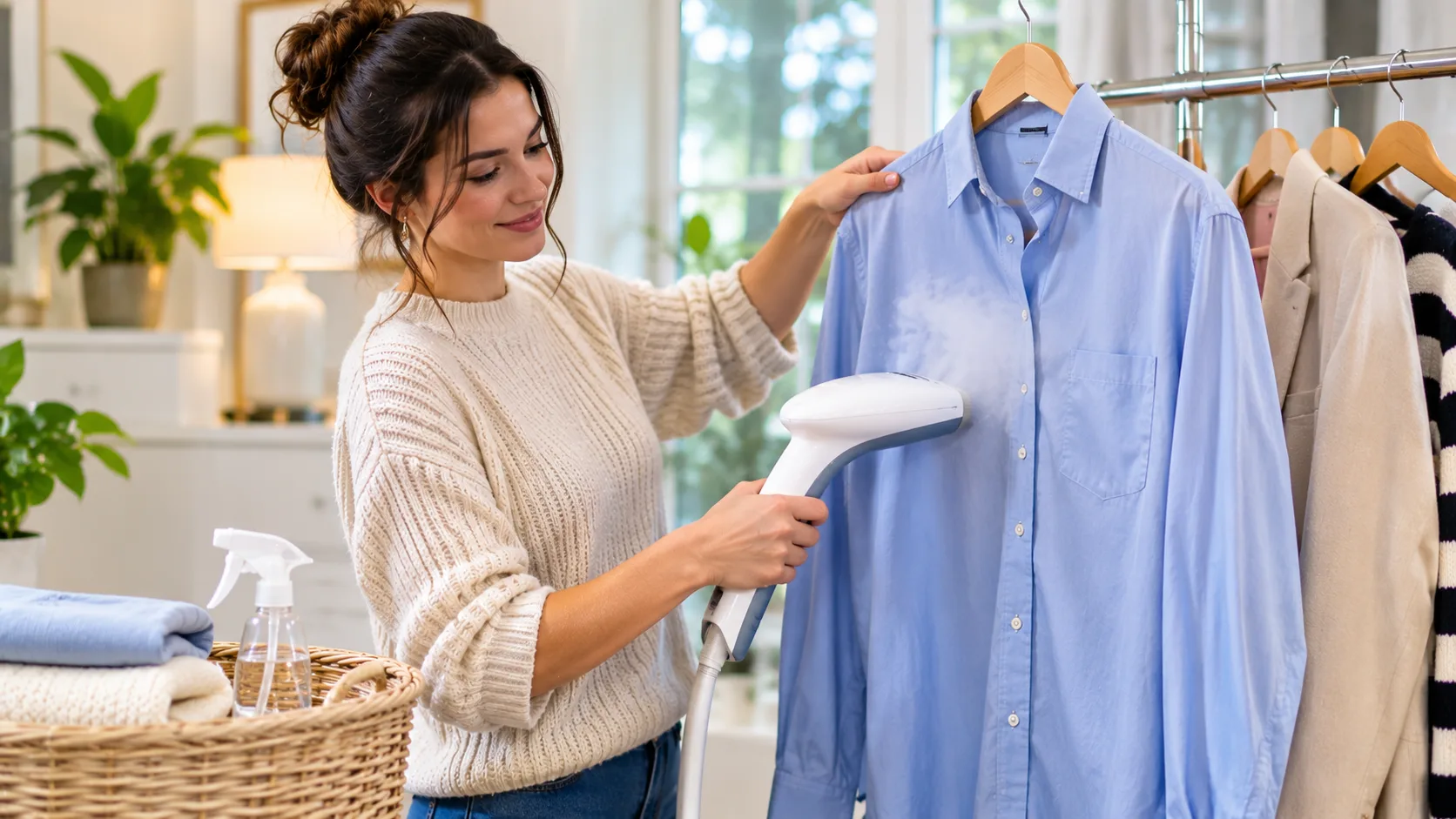
You can remove minor clothing wrinkles without using a traditional iron. A handheld garment steamer is one convenient option because it releases warm vapor that helps relax suitable fabric fibers. It is particularly useful for hanging garments, lightweight clothing, and pieces that are difficult to position on an ironing board.
Another approach involves lightly misting suitable clothing with water and allowing it to dry while hanging. This method works best for minor wrinkles rather than deeply set creases. Gently smoothing the fabric with your hands can help improve its appearance during drying.
Some garments may also respond well to a short dryer cycle when the care label permits tumble drying. Removing clothing promptly and hanging it afterward can reduce remaining creases. Always select appropriate settings because unnecessary heat can shrink or damage certain fabrics.
How to Use a Clothes Steamer Properly
A garment steamer can be useful for refreshing clothing and reducing wrinkles without applying direct ironing pressure. Begin by filling the device according to the manufacturer’s instructions. Allow it to reach the recommended operating temperature before using it on suitable fabrics.
Hang the garment securely and keep the fabric reasonably smooth. Move the steamer slowly along the material, following the manufacturer’s recommended distance and direction. Avoid directing steam toward your hands or holding the fabric directly in front of the steam outlet.
After steaming, allow the clothing to cool and dry before wearing or storing it. This helps prevent fresh wrinkles from forming immediately. Delicate fabrics may need specialized treatment, so always check the care label before applying steam.
How to Remove Wrinkles From Cotton Clothes
Cotton is a popular clothing material because of its comfort, breathability, and versatility. However, cotton garments can develop noticeable wrinkles during washing and drying. Shirts, dresses, trousers, and casual tops may require occasional pressing to maintain a smooth appearance.
For cotton garments that permit ironing, use the recommended heat setting and work across small sections. Slightly damp fabric may respond more easily than completely dry material. A suitable steam function can help relax stubborn creases without requiring excessive pressure.
To reduce future wrinkles, remove cotton clothing from the washing machine promptly. Shake garments gently and hang or lay them out according to their care instructions. Avoid overloading the dryer because tightly packed clothing can develop additional folds during drying.
How to Remove Wrinkles From Linen Clothing
Linen is known for its lightweight feel and natural texture, but it wrinkles easily. Its fibers often develop creases during sitting, folding, and regular movement. Some wrinkling is a normal characteristic of linen rather than a sign of poor fabric quality.
When the care label allows ironing, slightly damp linen can be easier to smooth than completely dry fabric. Use an appropriate temperature and a clean pressing surface. A garment steamer may also help reduce wrinkles in suitable linen dresses, shirts, and lightweight trousers.
For everyday styling, a relaxed linen texture can be part of the fabric’s natural appearance. You do not always need to remove every crease. Proper hanging, careful washing, and avoiding excessive compression can help keep linen clothing looking presentable.
How to Remove Wrinkles From Polyester Clothes
Polyester clothing often resists wrinkles better than cotton or linen. However, creases can still develop when garments are tightly folded, packed, or left in a dryer. Because polyester is a synthetic material, excessive heat may damage or permanently change its surface.
Check the care label before ironing polyester garments. Many pieces require a low-temperature setting and may benefit from a pressing cloth. Avoid applying high heat directly because it can create shiny patches, flatten textures, or melt sensitive fibers.
Gentle steaming may be suitable for certain polyester garments when permitted by the manufacturer. Hanging clothes immediately after washing can also reduce visible creases. These simple habits often make polyester easier to maintain than fabrics that wrinkle more readily.
How to Remove Wrinkles From Silk and Delicate Fabrics
Silk and other delicate fabrics require careful handling because excessive heat, moisture, or pressure may damage their appearance. Before attempting wrinkle removal, check the garment’s care label. Some pieces are suitable for gentle ironing, while others require professional treatment.
If ironing is allowed, use a low-temperature setting and follow the recommended pressing instructions. A clean pressing cloth may help protect certain fabrics from direct contact. Avoid spraying water indiscriminately because some delicate materials can develop water marks.
Steaming may work for selected silk garments, but the steam should not be applied without considering fabric construction and finishing. Decorative details and specialty fabrics may be particularly sensitive. When uncertain, professional cleaning is safer than experimenting with heat or moisture.
How to Remove Wrinkles From Shirts
Shirts commonly develop wrinkles around collars, cuffs, sleeves, and front panels. These areas may require slightly different pressing techniques because of their shapes and seams. Starting with smaller sections can make the overall process more manageable.
When ironing is permitted, begin with the collar and cuffs before moving to the sleeves and body. Smooth each section carefully and use the appropriate temperature. Working methodically helps prevent newly pressed areas from becoming wrinkled while other sections are being handled.
After pressing, hang the shirt on a suitable hanger and fasten a few buttons to maintain its shape. Allow the fabric to cool before wearing or placing it inside a crowded closet. This helps preserve the smooth finish for longer.
How to Remove Wrinkles From Pants and Trousers
Trousers may develop wrinkles around the knees, thighs, waistband, and lower legs. These creases can result from sitting, washing, or improper storage. The right removal method depends on the fabric and whether the trousers have an intentional pressed crease.
Begin by checking the care label and arranging the trousers on a suitable ironing surface. Smooth the fabric carefully before applying heat. For tailored trousers, align the seams properly to preserve the intended crease rather than creating additional lines.
After ironing, hang trousers on an appropriate hanger or fold them carefully along their established crease. Avoid placing heavy garments on top of them in storage. Maintaining a consistent arrangement can help reduce unnecessary wrinkles between wears.
How to Remove Wrinkles From Dresses
Dresses often contain several different fabric sections, making wrinkle removal slightly more complicated. Fitted bodices, flowing skirts, decorative details, and layered materials may respond differently to heat. Always examine the care label and fabric construction before choosing a method.
A garment steamer is useful for many hanging dresses because it can reach curved and gathered areas more easily than an iron. Work gently and avoid exposing embellishments to excessive heat. For suitable cotton dresses, careful ironing may provide a more structured finish.
After removing wrinkles, hang the dress where it has enough room to maintain its shape. Avoid squeezing it between bulky garments. Lightweight dresses may benefit from breathable garment covers when stored for special occasions or longer periods.
How to Remove Clothing Wrinkles in the Dryer
A clothes dryer can help reduce minor wrinkles in garments that are suitable for tumble drying. The movement and controlled warmth may relax fabric creases. However, this method is not appropriate for every clothing material.
Check the care label before placing any garment inside the dryer. Select a suitable cycle and avoid excessive temperatures or unnecessarily long drying times. Some machines include wrinkle-release or steam-refresh programs designed for particular fabrics.
Remove clothing as soon as the cycle ends and hang or fold it promptly. Leaving warm garments in a pile can create new wrinkles as the fabric cools. Proper dryer use is most effective when combined with careful handling afterward.
How to Remove Wrinkles From Clothes While Traveling
Traveling often creates clothing wrinkles because garments remain folded or compressed inside luggage. Shirts, dresses, and trousers may develop creases during long journeys. Packing carefully and unpacking promptly can reduce these problems.
A compact garment steamer can be useful when traveling, provided it is compatible with the destination’s electrical requirements. Some hotels also offer irons or pressing services. Always check the garment’s care instructions before using unfamiliar equipment.
For minor travel wrinkles, hanging suitable clothing in a well-ventilated room may help the fabric relax. Light misting can work for certain washable materials, although results vary. Planning outfits with wrinkle-resistant fabrics can also make travel wardrobes easier to manage.
How to Remove Wrinkles From Clothes Overnight
Removing wrinkles overnight is possible for some garments, particularly when the creases are mild. Hanging clothing properly gives the fabric time to settle without additional compression. However, deeply wrinkled garments may still require ironing or steaming.
For suitable washable fabrics, lightly misting the wrinkled areas with water can help relax certain creases. Smooth the material gently and leave it hanging in a well-ventilated area. Make sure the garment dries completely before wearing it.
Avoid soaking clothing or leaving damp garments inside enclosed spaces. Excessive moisture may cause odors, water marks, or other problems. Choosing breathable fabrics and suitable hangers helps improve results without complicated preparation.
How to Prevent Wrinkles During Washing
Wrinkle prevention begins before clothing enters the washing machine. Sorting garments according to fabric type and care instructions helps ensure suitable washing conditions. Avoid overloading the machine because tightly packed clothing can become twisted and heavily creased.
Select an appropriate wash cycle and spin speed for each fabric. Delicate garments may benefit from gentler handling, while durable everyday clothes can tolerate different settings. Following manufacturer recommendations helps protect clothing while reducing unnecessary fabric stress.
Remove garments promptly when washing finishes. Shake them gently and arrange them for drying according to their care instructions. Allowing wet clothing to remain compressed inside the machine can contribute to deeper wrinkles and unpleasant odors.
How to Prevent Wrinkles During Drying
Drying habits have a significant effect on clothing wrinkles. Overdrying certain fabrics may make creases more noticeable and can contribute to unwanted shrinkage. Choosing appropriate dryer settings helps maintain fabric quality and makes garments easier to handle.
Air drying can be a practical option for clothing that benefits from gentle treatment. Hang garments on suitable hangers or lay them flat according to their care labels. Smoothing fabric while arranging it for drying may reduce the need for additional ironing.
Avoid placing too many garments close together when air drying. Adequate space allows clothing to dry more evenly and reduces unnecessary folds. Once dry, store garments promptly rather than leaving them piled in baskets or on furniture.
How to Store Clothes Without Wrinkles
Proper clothing storage helps prevent wrinkles from returning after washing or ironing. Shirts, dresses, and certain trousers often benefit from hanging on suitable hangers. However, heavier knitwear generally requires folding to prevent stretching.
Avoid overcrowding closets because tightly packed garments can become compressed. Leave enough space between hanging clothes so they can maintain their natural shape. Smooth hangers and appropriate garment supports also help reduce shoulder marks and unwanted creases.
For folded clothing, create even shapes and avoid excessively tight stacks. Drawer organizers can help keep garments separated and accessible. Careful storage makes everyday outfit planning easier while reducing the amount of time spent removing wrinkles.
Common Mistakes to Avoid When Removing Wrinkles
One common mistake is using excessive heat without checking the care label. High temperatures can scorch natural fibers or damage synthetic fabrics. Always begin with a suitable setting and test cautiously when the material’s response is uncertain.
Another mistake involves ironing over stains or dirty fabric. Heat can make some stains more difficult to remove and may affect the appearance of the garment. Clean clothing according to its care instructions before attempting extensive pressing.
Rushing the process can also create unwanted creases. Folding or wearing garments immediately after steaming may cause wrinkles to return before the fabric has cooled and dried. Allowing sufficient time for finishing helps maintain smoother results.
Best Tools for Removing Clothing Wrinkles
An iron and ironing board remain useful tools for removing wrinkles from suitable everyday garments. They provide controlled pressure and heat, making them effective for shirts, trousers, and structured clothing. Features such as adjustable temperatures and steam settings can improve flexibility.
Garment steamers offer an alternative for hanging clothes and certain delicate fabrics. Their vertical design can make it easier to refresh dresses, blouses, and garments with gathered sections. However, steaming does not always create the sharp creases associated with traditional ironing.
Other useful accessories include pressing cloths, suitable hangers, garment bags, and wrinkle-release products designed for specific fabrics. These tools can complement a regular clothing care routine. Always check product compatibility before applying chemicals, heat, or moisture to delicate materials.
How to Keep Clothes Looking Fresh and Smooth
Maintaining smooth clothing requires consistent care rather than repeated intensive ironing. Washing garments appropriately, selecting suitable drying methods, and storing clothing carefully can prevent many common wrinkles. These habits also help protect fabric quality over time.
Choose clothing materials that match your lifestyle and maintenance preferences. Some synthetic blends and specially finished fabrics resist creasing more effectively than untreated linen or cotton. However, comfort, breathability, durability, and personal style should also influence fabric choices.
Keep frequently worn garments accessible and avoid unnecessary compression in drawers or closets. Inspect clothing before getting dressed so minor wrinkles can be addressed early. A simple and consistent routine helps keep outfits presentable without adding unnecessary work.
Conclusion
Learning how to remove clothing wrinkles makes everyday clothing care easier and helps maintain a neat wardrobe. Ironing, steaming, gentle misting, and suitable drying techniques can improve the appearance of many garments. The best method depends on fabric type, wrinkle severity, and manufacturer instructions.
Preventing wrinkles is often easier than removing deeply set creases. Washing clothes carefully, avoiding overcrowded dryers, and storing garments correctly can reduce unnecessary folding marks. Choosing appropriate hangers and allowing clothing to cool after pressing also helps maintain smoother results.
Whether you are preparing an outfit for work, traveling, or organizing your closet, simple wrinkle-removal techniques can save time. Always prioritize fabric safety and avoid excessive heat or moisture. With consistent care, your favorite clothes can remain comfortable, attractive, and ready to wear.
Frequently Asked Questions
How can I remove wrinkles from clothes without ironing?
You can use a garment steamer, lightly mist suitable fabrics with water, or try a wrinkle-release dryer cycle when the care label allows. Hang the clothing afterward to help maintain its shape.
What is the fastest way to remove clothing wrinkles?
For suitable fabrics, a handheld steamer or properly heated iron can remove wrinkles quickly. The best option depends on fabric type, garment construction, and whether you need a smooth finish or sharp creases.
Can I remove wrinkles from clothes using water?
Lightly misting some washable fabrics with water may help relax minor wrinkles. Smooth the material gently and allow it to dry completely. Avoid this method on fabrics that may develop water marks.
Does hanging clothes remove wrinkles?
Hanging can help reduce some mild wrinkles, especially when combined with appropriate fabric care. However, deeply set creases often require controlled heat, steam, or pressing to achieve a smoother appearance.
How do I prevent clothes from wrinkling after washing?
Avoid overloading your washing machine, remove garments promptly, and dry them according to their care labels. Hang or fold clothing immediately after drying to reduce unnecessary creases.