Imagine planning a family gathering, attending an important meeting, or going shopping while constantly worrying about finding a nearby restroom. Unexpected bowel leakage can make ordinary activities stressful. Over time, you may begin avoiding situations you previously enjoyed.
Finding the right fecal incontinence treatment can help improve bowel control and restore confidence in everyday life. Although discussing bowel problems may feel uncomfortable, fecal incontinence is a recognized medical condition with several available treatment options.
Recovery begins with understanding the underlying cause and receiving appropriate care. This guide explains common symptoms, treatment methods, pelvic floor therapy, recovery expectations, and practical ways to manage bowel control problems.
What Is Fecal Incontinence?
Fecal incontinence is the inability to control bowel movements, resulting in the unintended passage of stool. It is also known as bowel incontinence or accidental bowel leakage. Symptoms may range from occasional leakage to more frequent loss of bowel control.
The condition can develop when muscles, nerves, or digestive processes involved in bowel control do not function properly. Persistent diarrhea, constipation, and certain medical conditions may also contribute to the problem.
Fecal incontinence can affect people of different ages and backgrounds. Although it becomes more common with increasing age, it is not an inevitable part of aging. Appropriate medical assessment can help identify treatment options.
What Are the Different Types of Fecal Incontinence?
Not everyone experiences bowel control problems in the same way. Some individuals notice a sudden urge to use the restroom, while others experience leakage without recognizing that it has occurred.
Understanding these differences helps healthcare professionals identify potential causes and recommend appropriate treatment.
| Type | Description |
|---|---|
| Urge incontinence | Difficulty controlling bowel movements after feeling a sudden urge |
| Passive incontinence | Stool leakage without recognizing the need for a bowel movement |
| Fecal seepage | Small amounts of stool leakage, sometimes after a bowel movement |
| Overflow incontinence | Leakage associated with accumulated stool and constipation |
Some individuals experience more than one type of bowel incontinence. Identifying the pattern of symptoms can help healthcare professionals develop a more personalized treatment plan.
Common Symptoms of Fecal Incontinence
Recognizing bowel incontinence symptoms can help individuals seek medical attention earlier. However, some symptoms may initially appear minor or occur only occasionally. Their severity can also change depending on the underlying condition.
Common symptoms include:
- Unexpected stool leakage.
- Sudden and difficult-to-control bowel urges.
- Difficulty reaching the restroom in time.
- Unnoticed bowel movements.
- Leakage following a bowel movement.
- Difficulty controlling loose stools.
- Skin irritation around the anal area.
- Recurring constipation or diarrhea.
These symptoms can affect physical comfort, emotional well-being, and social activities. If bowel control problems repeatedly interfere with everyday life, arrange an appointment with a healthcare professional.
7 Common Causes of Fecal Incontinence
Bowel leakage can develop for several reasons. Assuming that weak muscles are always responsible may lead to unsuitable treatment approaches. Digestive problems, nerve damage, and other medical conditions can also affect bowel control.
Understanding the following seven common causes can help explain why individualized medical assessment is important.
1. Chronic Constipation
Persistent constipation can cause stool to accumulate inside the rectum. Over time, this accumulation may affect normal bowel sensation and contribute to difficulties with complete evacuation.
Liquid stool may sometimes pass around accumulated solid stool, resulting in overflow incontinence. This can resemble diarrhea even though constipation is the underlying problem.
Treatment focuses on addressing constipation and restoring healthier bowel function. A healthcare professional can recommend appropriate management based on the individual’s symptoms.
2. Persistent Diarrhea
Loose or watery stool can be more difficult to control than normally formed stool. Frequent diarrhea may also increase bowel urgency and make reaching the restroom more challenging.
Digestive infections, medication side effects, food intolerances, and gastrointestinal disorders can contribute to persistent diarrhea.
Identifying the original cause is essential for effective treatment. Managing diarrhea appropriately may improve bowel control and reduce leakage episodes.
3. Pelvic Floor Dysfunction
The pelvic floor muscles help support the pelvic organs and contribute to bowel control. Problems involving muscle strength, coordination, or function can interfere with normal bowel movements.
Some individuals experience difficulty activating the appropriate muscles when necessary. Others may struggle to coordinate muscle relaxation during bowel movements.
Pelvic floor physical therapy can help assess these problems. Treatment may focus on strengthening, relaxation, coordination, or other techniques depending on the individual’s needs.
4. Anal Sphincter Muscle Damage
The anal sphincter muscles help maintain bowel control by regulating the opening through which stool passes. Damage to these muscles may reduce their ability to maintain continence.
Previous surgery, childbirth-related injuries, and other physical injuries can contribute to sphincter dysfunction. Symptoms may develop immediately or become noticeable later.
A colorectal specialist can assess the extent of muscle damage and recommend suitable treatment. Options may include rehabilitation or selected surgical procedures.
5. Nerve Damage
Nerves help communicate information between the bowel, pelvic floor muscles, spinal cord, and brain. Damage to these nerves can interfere with bowel sensation and muscle coordination.
Conditions such as diabetes, multiple sclerosis, spinal injuries, and certain neurological disorders may contribute to bowel control problems.
Treatment depends on the underlying neurological condition and remaining bowel function. Specialized bowel management programs may help improve daily symptom control.
6. Childbirth-Related Injuries
Pregnancy and vaginal childbirth can sometimes affect pelvic floor muscles, nerves, and anal sphincter function. Certain injuries may contribute to bowel leakage following delivery.
Symptoms may develop during postpartum recovery or become noticeable months or years later. Their severity varies according to individual circumstances.
Postpartum patients experiencing bowel control problems should discuss their symptoms with a healthcare professional. Pelvic floor rehabilitation and specialist assessment may provide useful treatment options.
7. Underlying Digestive Disorders
Certain gastrointestinal conditions can affect stool consistency, bowel urgency, and normal digestive function. These changes may increase the likelihood of accidental bowel leakage.
Conditions such as irritable bowel syndrome, Crohn’s disease, and ulcerative colitis may contribute to symptoms in some individuals.
Managing the underlying digestive disorder is an important part of treatment. A gastroenterologist can help determine which investigations and management strategies are appropriate.
How Is Fecal Incontinence Diagnosed?
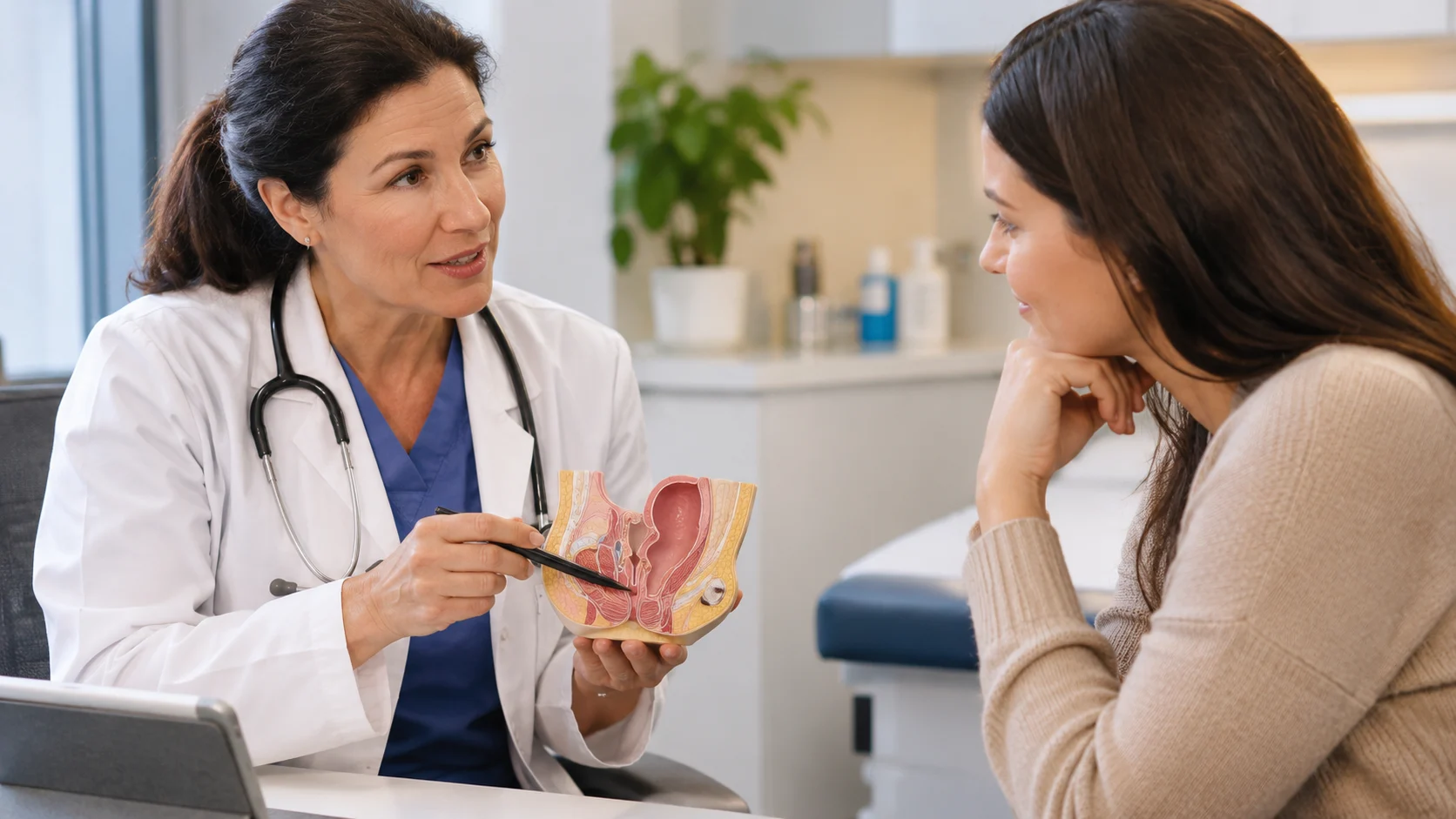
Discussing bowel symptoms with a doctor may feel uncomfortable initially. However, providing accurate information helps healthcare professionals identify potential causes and recommend suitable treatment.
The diagnostic process generally begins with a medical history and physical examination. Additional tests may be recommended depending on the symptoms, medical history, and suspected underlying condition.
| Diagnostic Method | Purpose |
|---|---|
| Medical history | Identifies symptoms and possible contributing factors |
| Physical examination | Assesses relevant physical and muscle function |
| Stool tests | Investigates infection, inflammation, or other abnormalities |
| Anorectal manometry | Evaluates pressure, sensation, and muscle function |
| Endoanal ultrasound | Examines anal sphincter structure |
| Pelvic MRI | Provides detailed information about selected pelvic structures |
| Colonoscopy | Investigates certain underlying bowel conditions |
| Bowel diary | Records bowel habits and leakage patterns |
Not every patient requires all these investigations. Healthcare professionals select appropriate diagnostic methods based on individual circumstances.
8 Effective Fecal Incontinence Treatment Options
Finding the right bowel incontinence treatment can become challenging when symptoms have several contributing factors. Fortunately, treatment does not always require surgery. Many patients begin with conservative approaches before considering specialized procedures.
The following eight treatment options explain how healthcare professionals may address fecal incontinence.
1. Dietary Changes
Stool consistency plays an important role in bowel control. Certain foods may contribute to constipation, diarrhea, or increased bowel urgency in some individuals.
A healthcare professional or registered dietitian may recommend dietary adjustments that support more consistent bowel movements. These recommendations should reflect the individual’s digestive health and nutritional requirements.
Keeping a short record of foods and symptoms may help identify recurring patterns. Avoid unnecessarily restrictive diets because maintaining balanced nutrition remains important during recovery.
2. Medication Management
Some bowel control problems develop because of persistent diarrhea, constipation, or underlying digestive conditions. Appropriate medication may help address these contributing factors.
Healthcare professionals may recommend medications that regulate stool consistency or treat an existing gastrointestinal condition. The appropriate choice depends on the diagnosis and medical history.
Avoid starting or changing bowel medications without professional guidance. Treatments intended for diarrhea may worsen constipation-related overflow incontinence.
3. Pelvic Floor Physical Therapy
Weakness or poor coordination within the pelvic floor can contribute to bowel leakage. Pelvic floor physical therapy focuses on improving the function of muscles involved in bowel control.
A qualified pelvic health physical therapist can assess muscle strength, coordination, breathing patterns, and relevant movement habits. Treatment is then tailored to the individual’s specific needs.
Not everyone benefits from strengthening exercises alone. Some patients require relaxation or coordination training instead. Professional assessment helps determine the appropriate approach.
4. Biofeedback Therapy
Some individuals struggle to recognize or control the muscles involved in bowel movements. Biofeedback therapy provides information that helps patients understand their muscle activity more clearly.
Specialized equipment may provide visual or auditory feedback during professionally supervised rehabilitation sessions. This information can help improve muscle awareness, coordination, and bowel sensation.
Biofeedback therapy may be particularly useful for selected patients who continue experiencing symptoms after initial treatment. Its effectiveness varies according to individual circumstances.
5. Bowel Training
Unpredictable bowel movements can make everyday planning stressful. Bowel training aims to develop more consistent and manageable bathroom habits.
A healthcare professional may recommend an individualized routine based on digestive patterns, mobility, and other medical considerations. The objective is to support more predictable bowel function without excessive straining.
Bowel training requires patience because improvements may develop gradually. Following a comfortable routine can complement other treatment methods.
6. Sacral Neuromodulation
Persistent fecal incontinence may require specialized treatment when conservative approaches provide insufficient improvement. Sacral neuromodulation is one option available for selected patients.
This treatment uses an implanted medical device to deliver controlled electrical stimulation to nerves involved in bowel function. Specialists generally evaluate the patient’s response during a trial period before considering permanent implantation.
Sacral neuromodulation may improve bowel control for some individuals. However, it involves potential complications, device maintenance, and ongoing medical follow-up.
7. Anal Sphincter Repair
Significant anal sphincter injuries may contribute to persistent bowel leakage. In selected cases, a colorectal surgeon may recommend a procedure known as sphincteroplasty.
This surgical treatment aims to repair damaged sphincter muscles and improve their function. Suitability depends on the type of injury, existing muscle condition, and other contributing factors.
Although surgery may improve symptoms, long-term results can vary and benefits may decrease over time. Patients should discuss potential risks, recovery requirements, and alternative treatments with their specialist.
8. Colostomy Surgery
Severe bowel incontinence can significantly affect daily activities despite multiple treatment attempts. When other approaches are unsuccessful or unsuitable, specialists may discuss colostomy surgery.
A colostomy creates an alternative route for stool to leave the body through an abdominal opening. Waste is collected in a specially designed medical pouch.
This option may improve quality of life for selected patients with severe symptoms. However, it requires comprehensive medical assessment, education, and ongoing support.
Fecal Incontinence Treatments Compared
Choosing between different treatment methods depends on the underlying cause, symptom severity, and previous treatment outcomes. Some individuals benefit from conservative management, while others require specialized care.
| Treatment | Primary Purpose | Treatment Type |
|---|---|---|
| Dietary adjustments | Improve stool consistency | Conservative |
| Medication management | Address digestive symptoms | Medical |
| Pelvic floor therapy | Improve muscle function | Rehabilitation |
| Biofeedback therapy | Improve muscle awareness and coordination | Rehabilitation |
| Bowel training | Support predictable bowel habits | Behavioral |
| Sacral neuromodulation | Influence nerve function | Device-based |
| Sphincteroplasty | Repair selected muscle injuries | Surgical |
| Colostomy | Provide an alternative bowel management method | Surgical |
Treatment decisions should involve discussions about potential benefits, limitations, risks, and personal preferences. There is no single approach that works best for every patient.
Can Pelvic Floor Exercises Improve Bowel Control?
Many individuals search for exercises after experiencing accidental bowel leakage. Pelvic floor exercises may help certain patients improve muscle strength and coordination when these factors contribute to their symptoms.
However, performing exercises incorrectly or strengthening muscles that are already excessively tense may be unhelpful. Effective rehabilitation depends on understanding the underlying muscle dysfunction.
A pelvic floor physical therapist can recommend appropriate exercises and assess progress over time. An individualized rehabilitation program is generally more useful than following a generic exercise routine without assessment.
Best Foods to Support Bowel Health
Managing bowel symptoms can become frustrating when digestive responses vary between meals. Some foods support stool consistency, while others may trigger symptoms in sensitive individuals.
Common foods that can contribute to balanced nutrition and digestive health include:
- Oatmeal and other whole grains.
- Fresh fruits and vegetables.
- Beans and lentils, when tolerated.
- Yogurt, when dairy is tolerated.
- Whole-grain bread.
- Rice and other grains.
- Nuts and seeds, when appropriate.
- Adequate drinking water.
Fiber can help regulate stool consistency, but increasing it too quickly may cause gas or bloating. A healthcare professional or dietitian can recommend appropriate dietary changes based on individual symptoms.
Foods and Drinks That May Worsen Bowel Incontinence
Certain foods and beverages may contribute to loose stools or bowel urgency in some individuals. However, digestive triggers vary considerably, and removing entire food groups without medical advice may create unnecessary nutritional restrictions.
Potential triggers can include caffeinated drinks, highly spicy meals, certain fatty foods, some artificial sweeteners, and dairy products in people with lactose intolerance.
Discuss recurring food-related symptoms with a healthcare professional rather than automatically avoiding every possible trigger. The goal is to maintain adequate nutrition while supporting comfortable and consistent bowel function.
How to Manage Fecal Incontinence at Home
Living with unpredictable bowel movements can affect confidence and daily comfort. Supportive home management strategies can help reduce practical difficulties while appropriate medical treatment continues.
Consider these everyday management practices:
- Maintain regular, balanced meals.
- Drink sufficient water.
- Avoid unnecessarily delaying bowel movements.
- Follow professionally recommended bowel routines.
- Keep a brief record of recurring symptoms.
- Use suitable protective products when necessary.
- Maintain gentle skin hygiene.
- Follow your healthcare provider’s treatment recommendations.
Home management can complement medical care but should not replace professional assessment. Persistent bowel leakage requires investigation to identify its underlying cause.
How to Protect Your Skin From Bowel Leakage
Repeated exposure to stool and moisture can cause discomfort, redness, and skin irritation. Frequent rubbing or using harsh cleaning products may make these problems worse.
Gentle cleansing, careful drying, and suitable skin protection can help maintain comfort. A healthcare professional may recommend appropriate barrier products depending on the condition of the affected skin.
Persistent irritation, skin breakdown, or signs of infection should receive medical attention. Early treatment may prevent additional discomfort and complications.
How Long Does Fecal Incontinence Recovery Take?
Many individuals want to know how quickly treatment will restore normal bowel control. Unfortunately, recovery timelines vary depending on the underlying condition, symptom severity, and chosen treatment method.
Some patients notice improvement after digestive symptoms are appropriately managed. Others may require several weeks or months of rehabilitation, medical treatment, or recovery following a specialized procedure.
Progress should be measured through meaningful improvements in comfort, bowel control, and daily activities. Complete recovery may not be possible in every case, but appropriate treatment can still improve quality of life.
Can Fecal Incontinence Be Completely Cured?
The possibility of complete recovery depends largely on the cause of bowel leakage. Temporary digestive illnesses or treatable constipation-related problems may resolve when the underlying condition improves.
Chronic neurological disorders, significant muscle damage, and other long-term conditions may require ongoing management. Treatment can still reduce leakage episodes and improve everyday comfort.
Avoid products or programs promising guaranteed permanent recovery. A qualified healthcare professional can explain realistic treatment expectations based on the individual’s diagnosis.
Emotional Effects of Living With Fecal Incontinence
Bowel control problems can affect more than physical comfort. Some individuals experience embarrassment, anxiety, or concerns about attending social events. These experiences may gradually interfere with relationships and everyday activities.
Speaking openly with a trusted healthcare professional can provide access to appropriate treatment and emotional support. Counseling or patient support services may also help individuals manage the psychological effects of persistent symptoms.
Fecal incontinence is a medical condition, not a personal failure. Receiving respectful care and practical support can help individuals maintain confidence throughout treatment.
Fecal Incontinence Treatment in Older Adults
Older adults may experience bowel control problems because of several contributing factors. These may include reduced mobility, medication effects, digestive disorders, neurological conditions, and changes in muscle function.
Treatment should consider the individual’s medical history, physical abilities, nutritional requirements, and daily living circumstances. Improved bathroom accessibility and appropriate caregiver assistance may also support symptom management.
Bowel incontinence should not automatically be dismissed as a normal consequence of aging. Medical evaluation can identify potentially treatable causes and suitable management options.
Common Fecal Incontinence Treatment Mistakes to Avoid
Seeking immediate relief from bowel leakage can sometimes lead to unsuitable treatment choices. Without understanding the underlying cause, certain approaches may worsen symptoms or delay appropriate care.
Common mistakes include:
- Ignoring recurring bowel leakage.
- Assuming all symptoms result from weak muscles.
- Starting bowel medications without medical guidance.
- Following unnecessarily restrictive diets.
- Avoiding water to reduce bowel movements.
- Performing inappropriate pelvic floor exercises.
- Ignoring persistent constipation.
- Expecting immediate recovery.
- Delaying specialist assessment.
- Relying on products promising guaranteed cures.
Effective treatment requires identifying contributing factors and following an individualized care plan. Regular communication with healthcare professionals helps determine whether treatment adjustments are necessary.
When Should You See a Doctor for Fecal Incontinence?
Occasional bowel leakage may feel difficult to discuss, but recurring symptoms deserve professional attention. Early assessment can help identify underlying conditions and prevent unnecessary delays in treatment.
Arrange a medical appointment if you experience:
- Repeated accidental bowel leakage.
- Persistent constipation or diarrhea.
- Difficulty controlling bowel movements.
- Unexplained changes in bowel habits.
- Recurring abdominal discomfort.
- Persistent skin irritation.
- Symptoms affecting everyday activities.
Seek urgent medical care for bloody diarrhea, unexplained black stools, severe abdominal pain, or significant dehydration.
Sudden loss of bowel control accompanied by back pain, numbness around the groin, leg weakness, or new bladder problems requires emergency medical attention. These symptoms may indicate a serious spinal nerve condition.
Children and teenagers experiencing bowel leakage should receive age-appropriate medical assessment with support from a parent, caregiver, or trusted adult.
Conclusion
Finding the right fecal incontinence treatment begins with understanding the underlying cause of bowel control problems. Constipation, diarrhea, pelvic floor dysfunction, nerve damage, and muscle injuries can all contribute to accidental bowel leakage.
Treatment options include dietary support, medication management, pelvic floor rehabilitation, biofeedback therapy, bowel training, and specialized procedures. Recovery varies between individuals, making personalized medical care essential for achieving meaningful improvements.
Start by discussing your symptoms with a qualified healthcare professional and exploring treatment options appropriate for your condition. With suitable care, practical support, and realistic expectations, many individuals can improve bowel control, daily comfort, and overall quality of life.
Frequently Asked Questions
What is the best treatment for fecal incontinence?
The best treatment depends on the underlying cause. Dietary adjustments, medication management, pelvic floor physical therapy, and bowel training are common initial approaches. Some patients may require specialized medical or surgical treatment.
Can fecal incontinence go away on its own?
Temporary bowel leakage associated with a short-term digestive illness may resolve when the illness improves. However, persistent or recurring fecal incontinence requires medical assessment and appropriate treatment.
Can pelvic floor therapy help fecal incontinence?
Yes. Pelvic floor therapy may improve muscle strength, coordination, and bowel control in selected patients. A qualified physical therapist can determine which rehabilitation techniques are appropriate for individual symptoms.
How long does fecal incontinence treatment take?
Treatment duration varies depending on the underlying condition and selected approach. Some individuals experience relatively quick improvements, while others require several weeks, months, or ongoing medical management.
Can fecal incontinence be treated without surgery?
Yes. Many patients begin with non-surgical treatments such as dietary adjustments, medication management, bowel training, and pelvic floor therapy. Surgery may be considered when conservative approaches provide insufficient improvement.