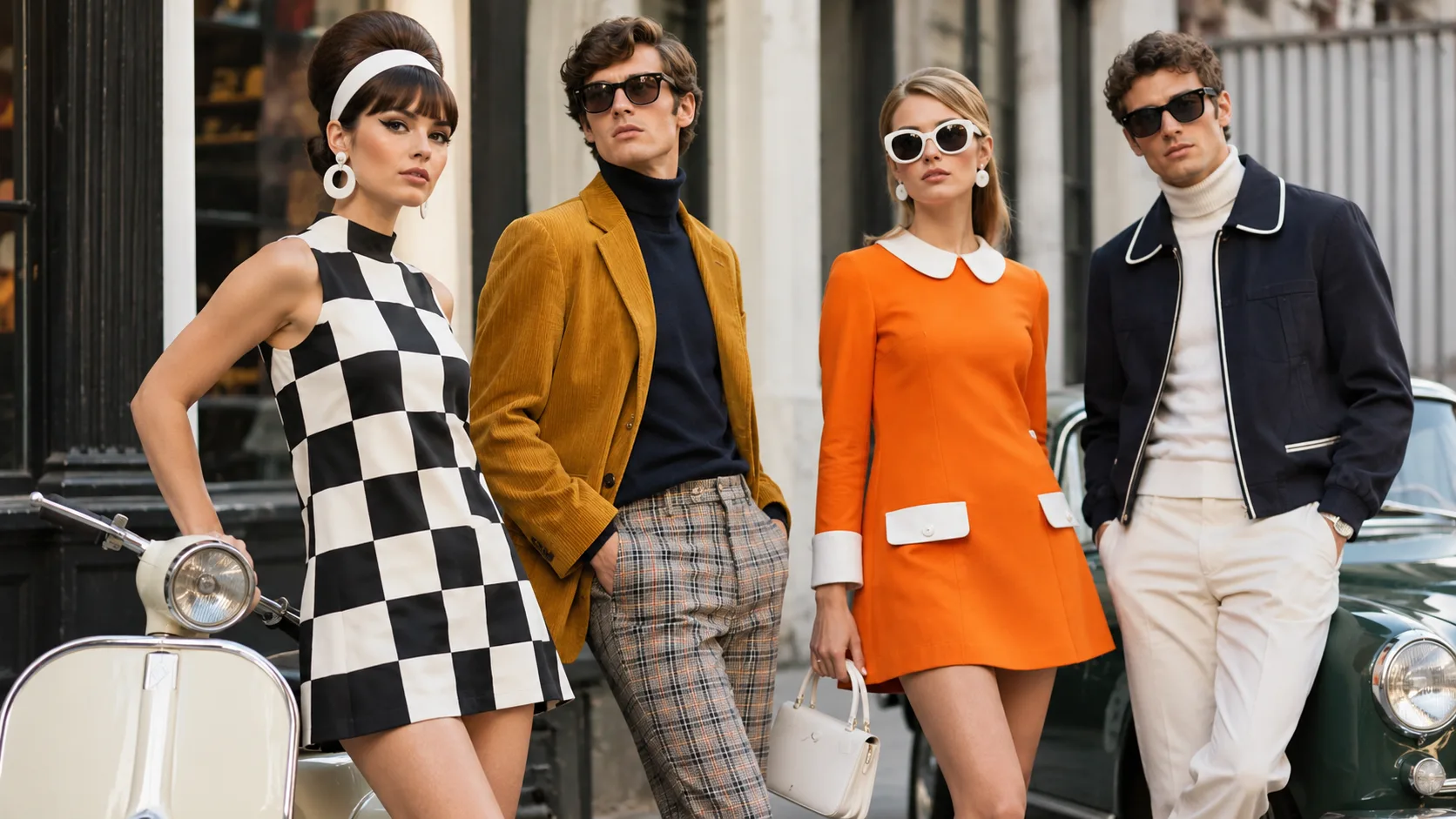
Mod fashion is one of the most recognizable clothing styles of the 1960s. Known for its bold colors, geometric patterns, clean lines, and youthful appearance, this fashion movement changed how people approached everyday dressing. From mini dresses and tailored suits to Chelsea boots and statement accessories, Mod clothing introduced a fresh approach to personal style.
Originating in Britain, the Mod movement combined music, fashion, and youth culture into a distinctive lifestyle. Young people embraced modern tailoring, innovative designs, and carefully coordinated outfits that challenged traditional clothing expectations. The style quickly became associated with confidence, creativity, and an interest in contemporary cultural trends.
Today, Mod fashion continues to influence vintage outfits, streetwear, and modern wardrobe essentials. Its simple silhouettes and striking details make it easy to recreate without wearing a complete historical costume. This guide explains Mod fashion history, its important characteristics, and practical outfit ideas for anyone interested in exploring the look.
What Is Mod Fashion?
Mod fashion is a clothing style that emerged from British youth culture during the late 1950s and became widely popular throughout the 1960s. The name Mod comes from “modernist,” a term originally associated with young people interested in modern jazz and contemporary clothing. Over time, it developed into a recognizable fashion movement with distinctive colors, shapes, and accessories.
The Mod look emphasizes sharp tailoring, clean silhouettes, carefully selected details, and modern design. Women’s fashion became associated with shift dresses, mini skirts, geometric prints, and fashionable boots. Men’s clothing included slim-fitting suits, button-down shirts, narrow ties, and polished footwear that created a neat and sophisticated appearance.
Although Mod style is often remembered for its bright colors and playful designs, early Mods frequently favored understated elegance. Clothing choices reflected an interest in quality, individuality, and being well dressed. This combination of classic tailoring and experimental fashion helped the movement become one of the most influential styles of the twentieth century.
The History and Origins of Mod Fashion
The Mod movement developed in London during the late 1950s, particularly among young people exploring new music and fashion trends. Early modernists were influenced by continental European tailoring, American jazz, and carefully styled clothing. They preferred sophisticated appearances that distinguished them from more traditional British fashion and other youth subcultures.
During the early 1960s, Mod culture expanded through music clubs, fashion boutiques, and changing attitudes toward youth identity. London became an important center for innovative clothing design and popular culture. Fashionable young people experimented with fitted garments, modern hairstyles, and stylish accessories while creating their own recognizable social identity.
By the middle of the decade, Mod-inspired clothing had reached a much wider audience through magazines, television, and popular music. The movement became closely connected with the broader Swinging London scene. Although mainstream interpretations often emphasized bright dresses and bold patterns, the original Mod culture included many different styles and personal influences.
Key Characteristics of Mod Fashion
Mod fashion is recognized for its clean lines, structured shapes, and attention to detail. Many outfits feature simple silhouettes that allow colors, patterns, and accessories to stand out. Rather than relying on complicated layers, the style often creates visual interest through carefully coordinated clothing pieces and distinctive design features.
Geometric prints are another important characteristic of the Mod look. Checkerboard patterns, stripes, circles, and color-blocked designs became especially popular in women’s fashion during the 1960s. These patterns reflected contemporary interests in modern art, graphic design, and experimental clothing styles that appeared throughout the decade.
Tailoring also plays a central role in understanding Mod clothing. Slim trousers, fitted jackets, neat collars, and structured dresses create a polished appearance without excessive decoration. The balance between simplicity and bold visual details makes Mod fashion adaptable to casual outfits, smart occasions, and modern vintage-inspired wardrobes.
Mod Fashion for Women: Popular Clothing Styles
Women’s Mod fashion became associated with short hemlines, simple dress shapes, and striking graphic designs. Shift dresses and A-line silhouettes gained popularity because they offered a fresh alternative to heavily structured earlier fashions. These garments often featured bright colors, contrasting panels, and patterns that created a modern appearance.
Mini skirts became one of the most famous symbols of 1960s youth fashion. Designers and boutiques helped popularize shorter skirt lengths, although the trend developed through several influences rather than one individual. Women paired these skirts with fitted tops, coordinating jackets, colorful tights, and fashionable footwear for distinctive everyday outfits.
Mod-inspired women’s wardrobes also included tailored coats, sleeveless tops, and simple knitwear. Many clothing combinations emphasized coordinated colors and uncluttered silhouettes. These practical styling ideas remain useful today because individual Mod pieces can be combined with contemporary garments without creating an overly theatrical appearance.
Mod Fashion for Men: Sharp and Modern Looks
Men’s Mod fashion focused on precise tailoring, clean styling, and carefully maintained clothing. Slim-fitting suits became particularly important, often featuring narrow lapels and tapered trousers. Shirts with neat collars, polished shoes, and simple ties completed outfits that reflected the movement’s interest in refined modern appearances.
Italian-inspired tailoring strongly influenced early male Mods, who admired lightweight suits and contemporary European styling. Clothing was often selected for its fit and quality rather than elaborate decoration. A carefully chosen jacket, smart trousers, and fitted shirt could create a fashionable look suitable for social gatherings and music venues.
Casual Mod clothing developed alongside these tailored outfits as the movement became more widely recognized. Polo shirts, knitwear, Harrington jackets, and practical outerwear became connected with different phases of Mod culture. These garments remain popular because they combine classic menswear features with a relaxed but polished everyday appearance.
Classic Mod Dresses and Mini Skirt Outfits
The Mod shift dress is one of the easiest historical styles to recognize and recreate. Its straight shape creates a clean appearance, while decorative details provide visual interest. Many vintage designs feature contrasting colors, large buttons, geometric panels, or carefully placed patterns that reflect the fashion experiments of the 1960s.
For a simple Mod-inspired outfit, choose a shift dress in a bold solid color or geometric print. Pair it with comfortable ankle boots or low-heeled shoes and a structured handbag. A coordinating jacket can add another layer without distracting from the dress’s distinctive silhouette or decorative details.
Mini skirts provide another useful option for experimenting with Mod style. Pair an A-line mini skirt with a fitted knit top, simple blouse, or structured jacket. Choose a skirt length that suits your comfort and activities, then finish the outfit with coordinated tights or classic footwear for a balanced vintage-inspired appearance.
Mod Fashion Outfit Ideas for Everyday Wear
Creating a casual Mod outfit does not require an extensive collection of vintage clothing. Start with a simple combination such as a striped top, straight-leg trousers, and classic loafers. Adding a fitted jacket or structured bag can introduce the clean, coordinated appearance associated with traditional Mod styling.
Another everyday option combines a geometric-print blouse with an A-line skirt and comfortable ankle boots. Keep the surrounding pieces relatively simple so the patterned garment remains the main visual feature. This approach creates a recognizable 1960s influence while allowing the outfit to fit naturally into a modern wardrobe.
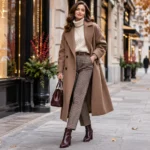
For cooler weather, try a fitted turtleneck, tailored trousers, and a short structured coat. Neutral colors can create an understated Mod look, while a contrasting accessory adds visual interest. These outfit combinations demonstrate that Mod fashion can be practical and versatile without depending entirely on bold prints or bright colors.
Mod Fashion Colors and Geometric Patterns
Color played an important role in the development of mainstream 1960s Mod fashion. Bright shades such as orange, yellow, red, and blue frequently appeared in clothing designs. Black and white combinations were equally recognizable, especially when used in strong graphic patterns or simple color-blocked garments.
Geometric patterns helped distinguish Mod clothing from many earlier fashion trends. Large checks, repeated circles, stripes, and abstract shapes created striking visual effects. Designers often used these patterns on simple garments because clean silhouettes provided enough space for bold graphics without making the overall appearance unnecessarily complicated.
Modern Mod styling can include both colorful and understated combinations. A black-and-white patterned dress creates a classic appearance, while a bright jacket introduces a playful variation. Choosing one noticeable pattern and coordinating it with simpler garments can help create a polished outfit that feels intentional and easy to wear.
Mod Fashion Shoes and Iconic Footwear
Footwear helped complete the polished appearance associated with Mod fashion. Women’s outfits often included ankle boots, low-heeled shoes, and other contemporary designs. White boots became particularly associated with popular images of mid-1960s fashion, especially when worn with short dresses and geometric prints.
Men’s Mod footwear commonly included Chelsea boots, loafers, and carefully polished leather shoes. Chelsea boots became closely associated with the wider British music and fashion scene during the decade. Their streamlined shape worked particularly well with tapered trousers and tailored suits, creating a balanced and sophisticated appearance.
When creating a modern Mod-inspired outfit, choose footwear that complements the clothing without overpowering it. Simple ankle boots, loafers, and clean leather shoes are versatile options. Comfortable designs can capture the historical look while remaining practical for walking, commuting, and other ordinary daily activities.
Mod Fashion Accessories That Complete the Look
Accessories were important in creating carefully coordinated Mod outfits. Structured handbags, simple earrings, neat belts, and fashionable sunglasses appeared frequently in women’s styling. These pieces often followed the same clean shapes and modern design principles found in the clothing itself.
Large sunglasses and bold geometric accessories became particularly recognizable in mainstream 1960s fashion. Round, square, and other striking frame shapes complemented simple dresses and contemporary hairstyles. Jewelry often featured modern materials, graphic shapes, and colorful designs rather than the elaborate decorative traditions associated with earlier fashion periods.
Men’s accessories commonly included narrow ties, pocket squares, watches, and carefully selected belts. Their purpose was to support the polished appearance of tailored clothing. For modern outfits, a few coordinated accessories usually provide enough historical character without making the overall look feel crowded or overly decorative.
Mod Hairstyles and Makeup Trends
Mod hairstyles contributed significantly to the movement’s distinctive visual identity. Short geometric haircuts became particularly popular among women, especially as modern fashion encouraged experimentation with new silhouettes. The five-point haircut associated with Vidal Sassoon became an important example of how precise hairstyling could complement contemporary clothing design.
Other fashionable hairstyles included bobs, carefully shaped fringes, and longer styles with controlled volume. Men often favored neat cuts that suited tailored clothing, although hairstyles varied across different Mod groups. Hair became another way for young people to communicate their interest in fashion, music, and modern cultural influences.
Makeup trends associated with mainstream 1960s Mod fashion often emphasized the eyes. Defined eyeliner, noticeable lashes, and pale or understated lip colors created recognizable looks. Modern interpretations can use a simplified version of these features, keeping the makeup comfortable and appropriate for individual preferences and different occasions.
Mod Fashion and the Influence of British Music
Music played an essential role in the development of Mod culture. Early Mods were interested in modern jazz, rhythm and blues, and other contemporary musical styles. Their clothing reflected the importance of nightlife, dance clubs, and social gatherings where fashionable appearances were an important part of youth identity.
British groups such as The Who and Small Faces became closely associated with the Mod movement. Their music, performances, and clothing helped introduce different aspects of Mod culture to wider audiences. As the movement developed, musicians and fashion-conscious fans influenced one another through changing trends and shared cultural interests.
The relationship between music and fashion helped establish Mod style as more than a collection of clothing choices. It represented participation in a changing youth culture that valued modern experiences and personal expression. This connection remains visible today in vintage music events, fashion collections, and contemporary interpretations of classic British style.
Mod Fashion vs. Hippie Fashion
Mod fashion and hippie fashion both became influential during the 1960s, but their defining features were different. Mod clothing generally emphasized clean silhouettes, structured tailoring, and graphic patterns. Hippie fashion became associated with looser garments, natural materials, flowing shapes, and influences drawn from several cultural traditions.
Mod outfits often appeared carefully coordinated, with attention given to precise garment shapes and accessories. Hippie-inspired clothing frequently encouraged a more relaxed appearance through layered fabrics, decorative embroidery, and informal styling. However, both movements included considerable variety, and individual clothing choices did not always follow simple fashion categories.
Understanding these differences makes it easier to identify vintage garments and create historically inspired outfits. A geometric shift dress with polished boots suggests a Mod influence, while flowing embroidered clothing may reflect hippie fashion. Both styles continue to inspire modern wardrobes because they offer recognizable approaches to color, silhouette, and personal creativity.
How to Build a Modern Mod Fashion Wardrobe
Building a Mod-inspired wardrobe begins with choosing versatile clothing that reflects the style’s distinctive characteristics. Tailored trousers, simple dresses, fitted jackets, and classic knitwear provide useful foundations. Select pieces that coordinate easily with existing garments so the wardrobe remains practical for regular use.
Next, introduce recognizable Mod elements through patterns, colors, and accessories. A geometric-print dress, bright cardigan, or pair of Chelsea boots can make a simple outfit feel more connected to the era. Mixing one or two vintage-inspired pieces with contemporary basics often creates a balanced appearance without requiring a complete wardrobe change.
Secondhand shops, vintage boutiques, and reproduction clothing collections can provide inspiration for Mod outfits. When shopping, consider garment condition, fabric quality, and personal comfort alongside historical appearance. Choosing pieces that can be styled in several ways makes it easier to enjoy Mod fashion across different seasons and everyday occasions.
Why Mod Fashion Still Influences Modern Style
Mod fashion continues to influence contemporary clothing because its defining elements remain visually appealing and practical. Simple dresses, tailored jackets, slim trousers, and geometric patterns regularly appear in modern fashion collections. Designers reinterpret these elements through updated materials, contemporary proportions, and new combinations suited to changing lifestyles.
The movement also demonstrates the lasting influence of youth culture on fashion history. Young people helped popularize clothing choices that challenged conventional dressing expectations during the 1960s. Their interest in music, design, and contemporary lifestyles contributed to the development of fashion as a form of personal and cultural expression.
Today, Mod style offers inspiration for anyone interested in vintage clothing or classic tailoring. Its combination of simplicity, bold details, and recognizable silhouettes allows many creative interpretations. Whether someone prefers understated suits or colorful dresses, the movement provides flexible ideas for building distinctive outfits without following every historical detail.
Conclusion
Mod fashion explained through its history, clothing, and cultural influence reveals a movement that helped redefine modern style. Its clean silhouettes, geometric prints, tailored suits, and distinctive accessories became important symbols of British youth culture. These characteristics continue to make the fashion recognizable decades after its original popularity.
Creating Mod-inspired outfits today can be simple and enjoyable. A shift dress, tailored trousers, Chelsea boots, or structured jacket can introduce the look into an existing wardrobe. Combining recognizable vintage elements with comfortable contemporary pieces helps create outfits suitable for different occasions and personal preferences.
The lasting appeal of Mod fashion comes from its balance of classic design and creative expression. From understated tailoring to colorful 1960s-inspired clothing, the movement offers many styling possibilities. Understanding its history and important features makes it easier to appreciate its influence and experiment with timeless outfit ideas.
Frequently Asked Questions
What is Mod fashion style?
Mod fashion is a British youth style that emerged in the late 1950s and became popular during the 1960s. It features sharp tailoring, clean silhouettes, geometric patterns, and distinctive clothing accessories.
What clothes are considered Mod fashion?
Common Mod clothing includes shift dresses, mini skirts, tailored suits, fitted jackets, polo shirts, and slim trousers. Chelsea boots, loafers, and geometric accessories also help create the recognizable style.
What colors are popular in Mod fashion?
Black, white, red, orange, yellow, and blue are commonly associated with mainstream Mod clothing. Bold color blocking and geometric patterns are particularly recognizable features of many 1960s-inspired outfits.
How can I create a Mod outfit with modern clothes?
Combine a geometric-print dress or tailored trousers with simple footwear and structured accessories. Choose clean silhouettes, coordinated colors, and one statement piece to create a modern outfit inspired by Mod fashion.
Is Mod fashion still popular today?
Yes, Mod fashion continues to influence modern clothing, vintage styling, and classic tailoring. Shift dresses, Chelsea boots, geometric prints, and fitted jackets remain popular elements in contemporary wardrobes.